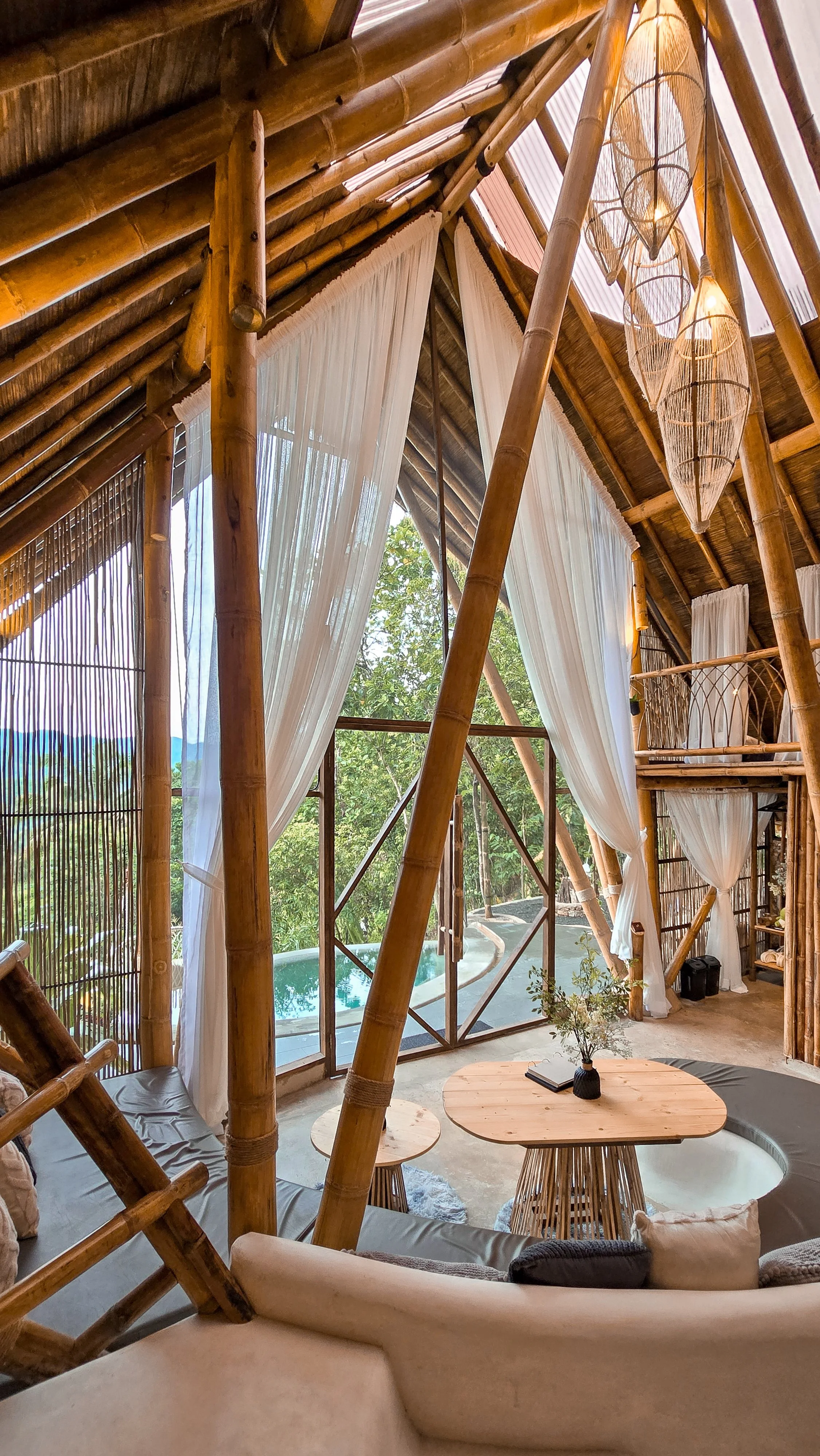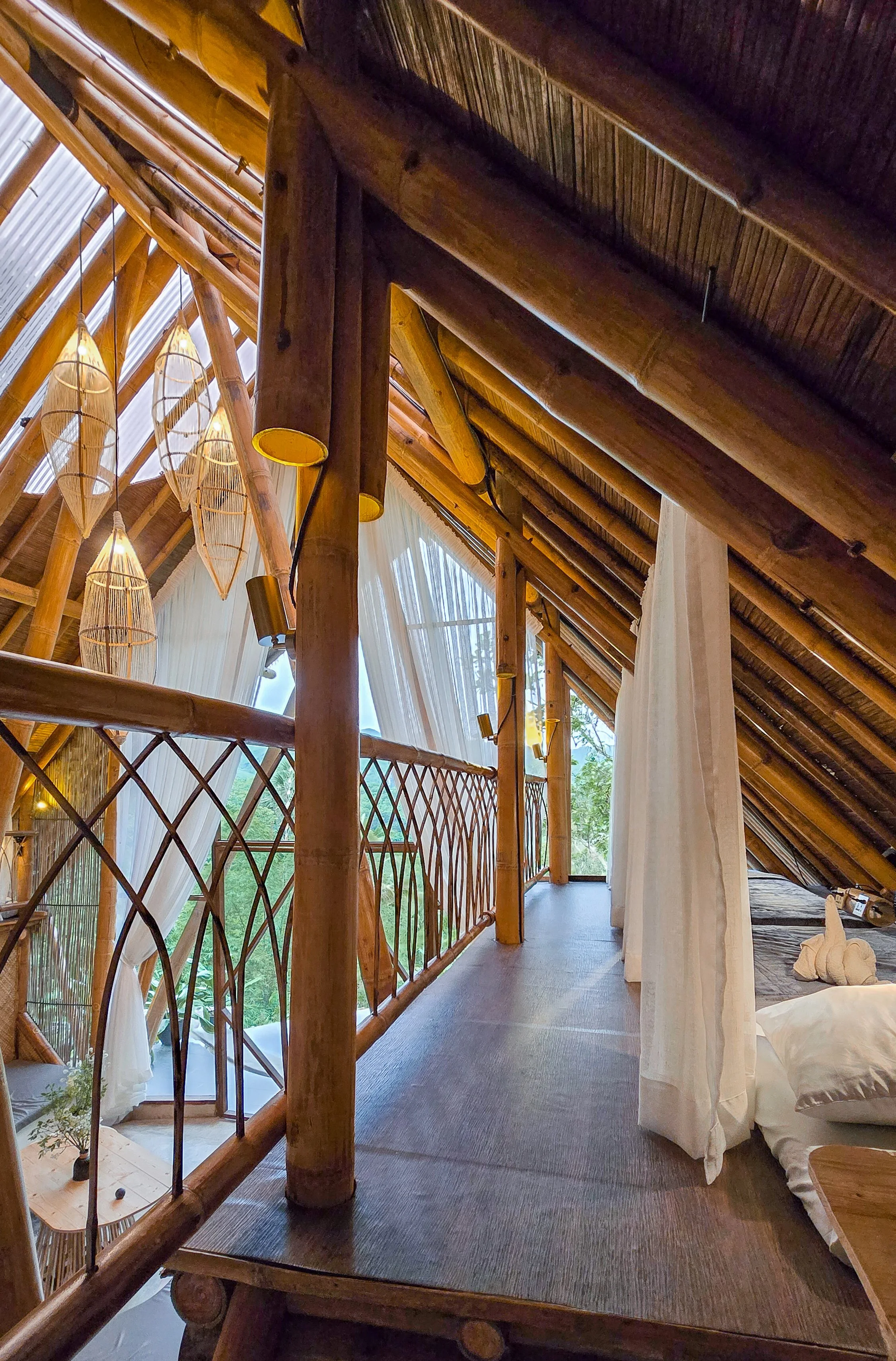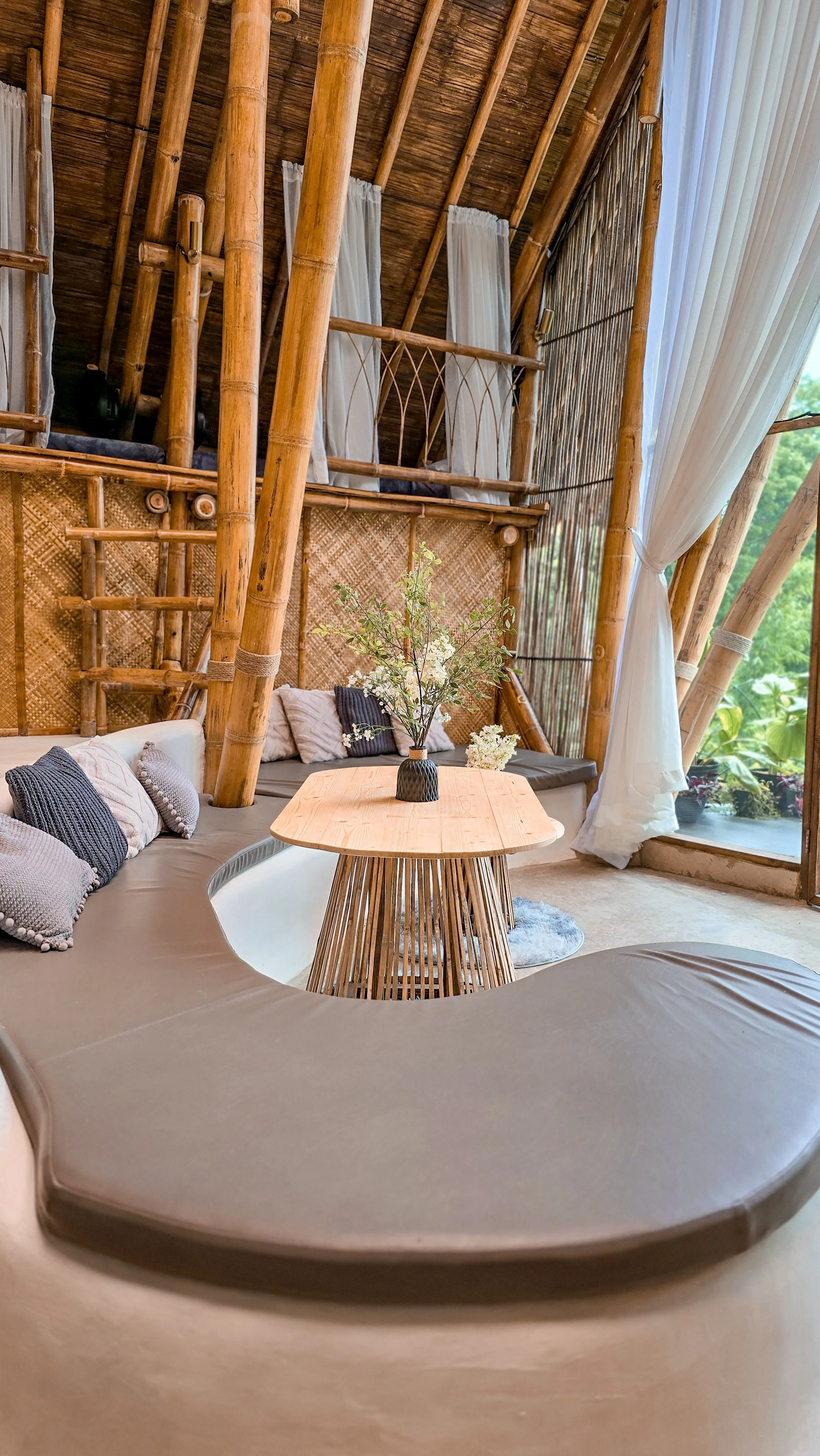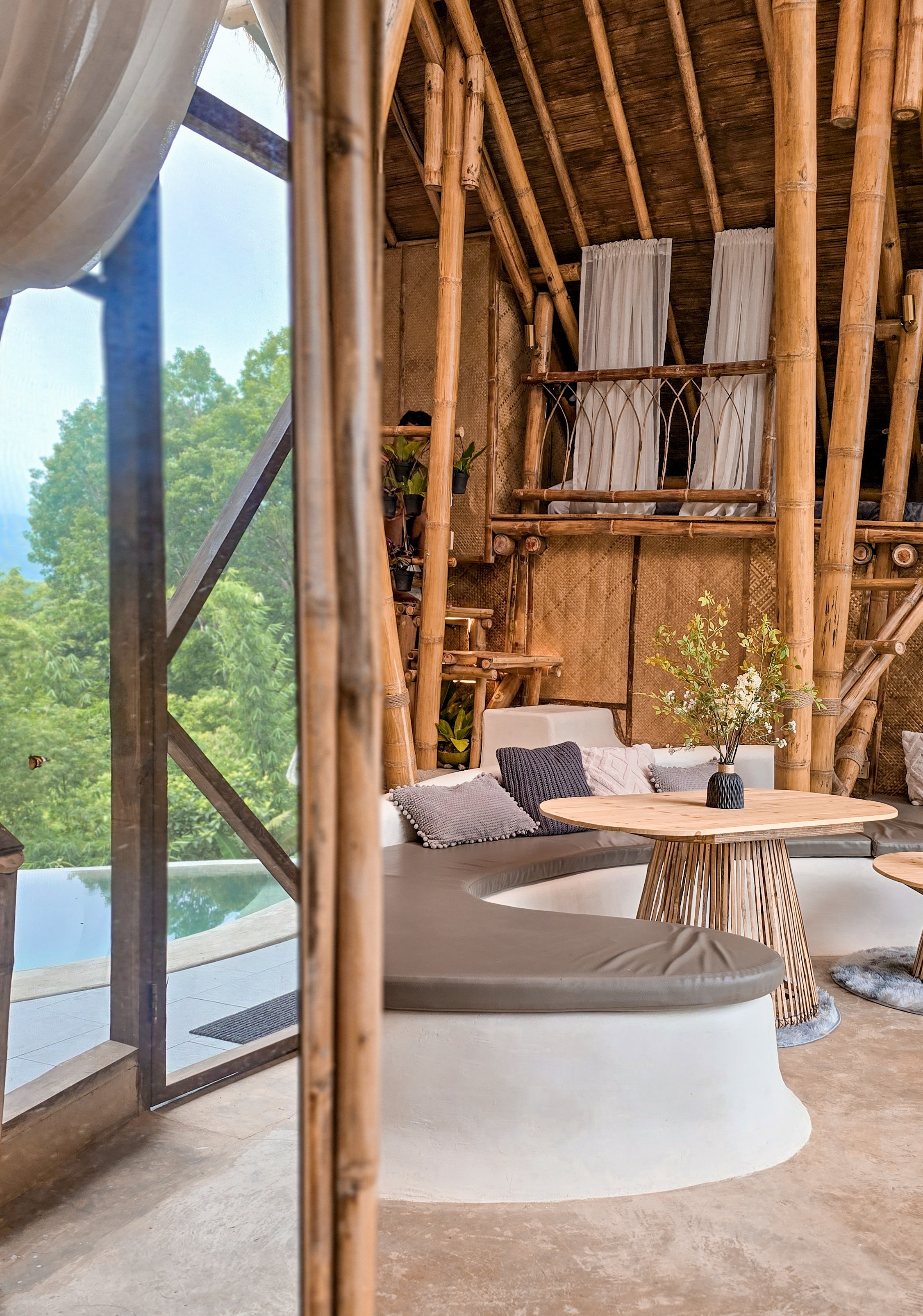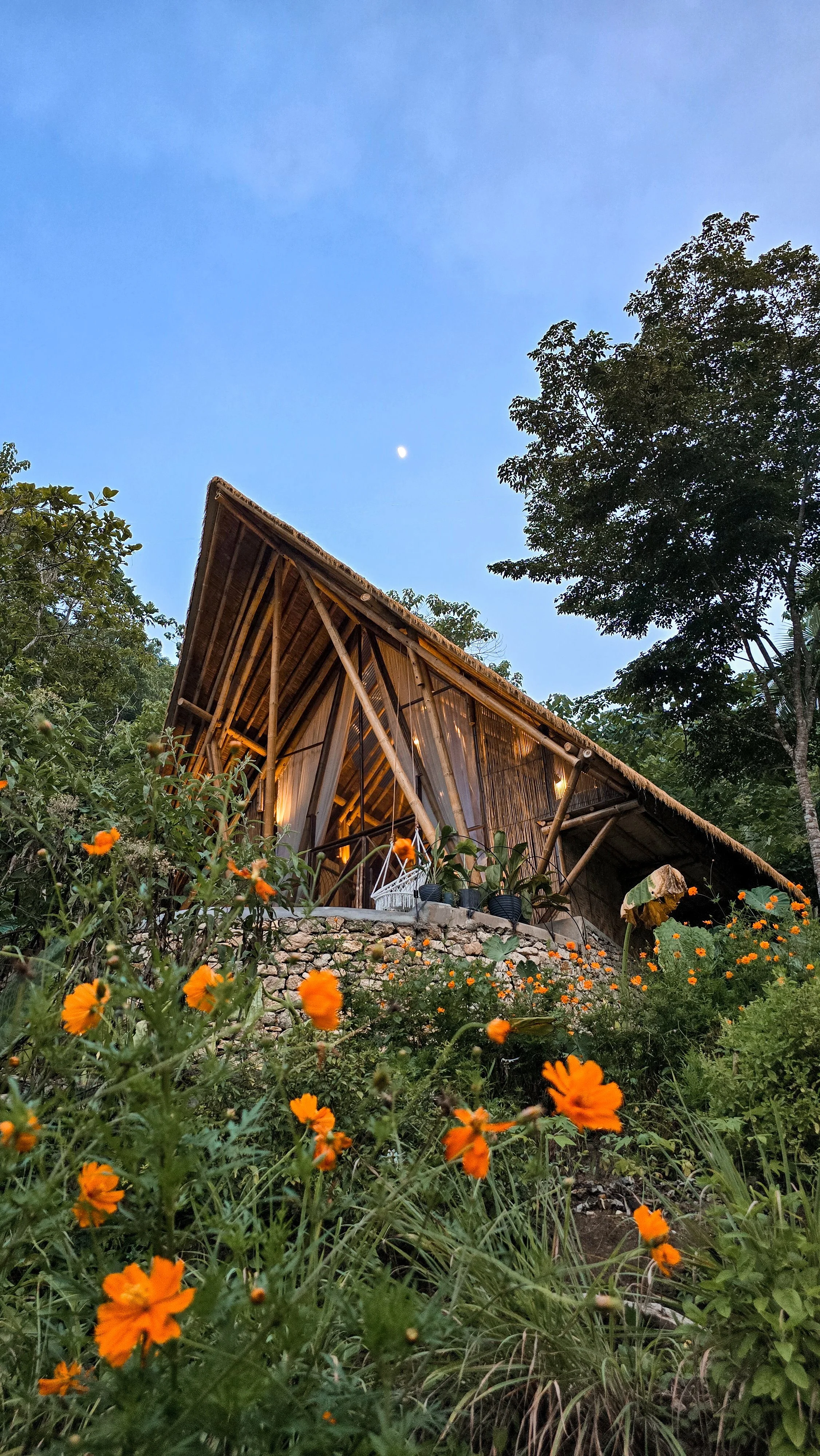
BALAY ANINIPOT Bamboo Villa
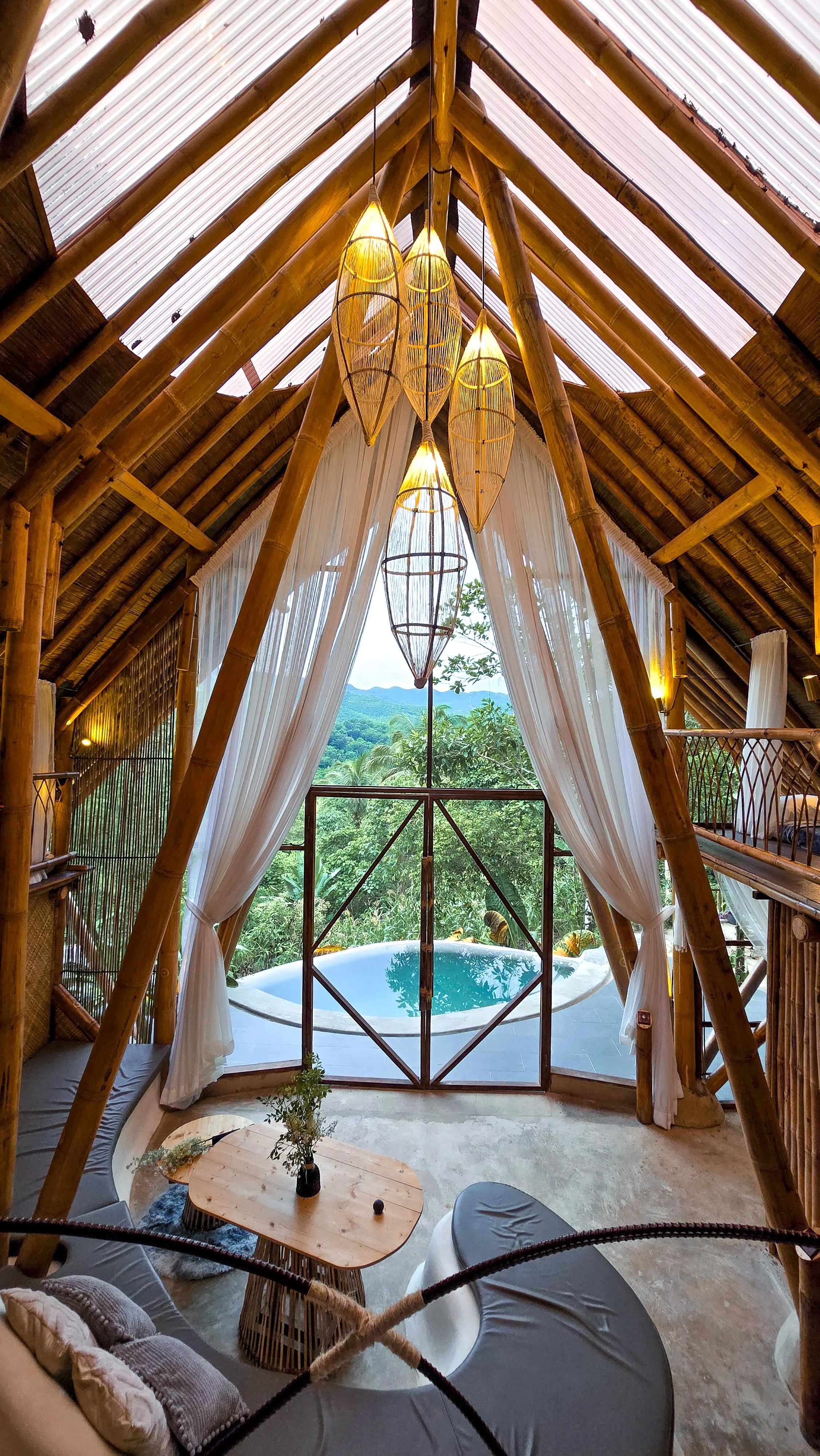
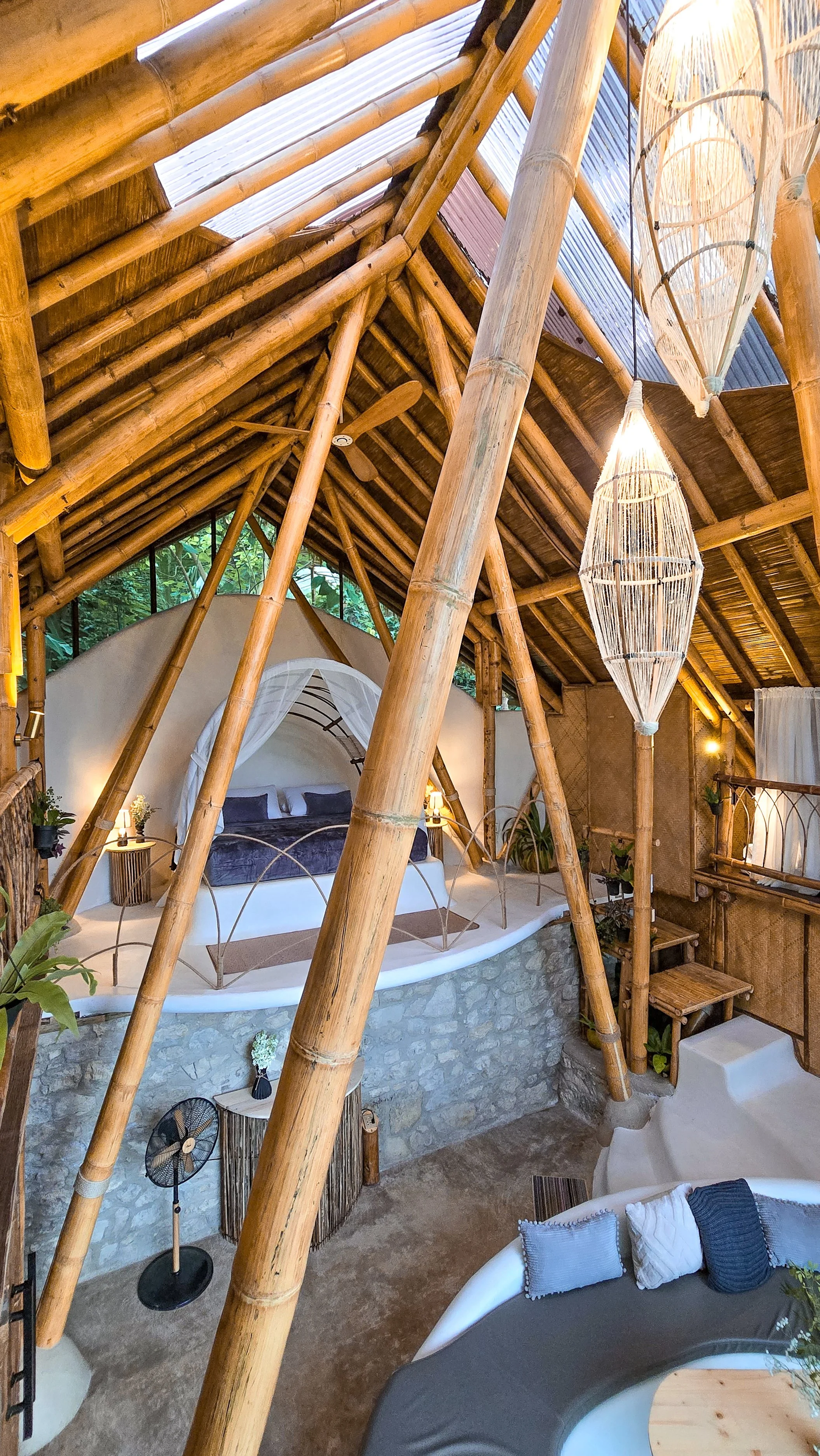
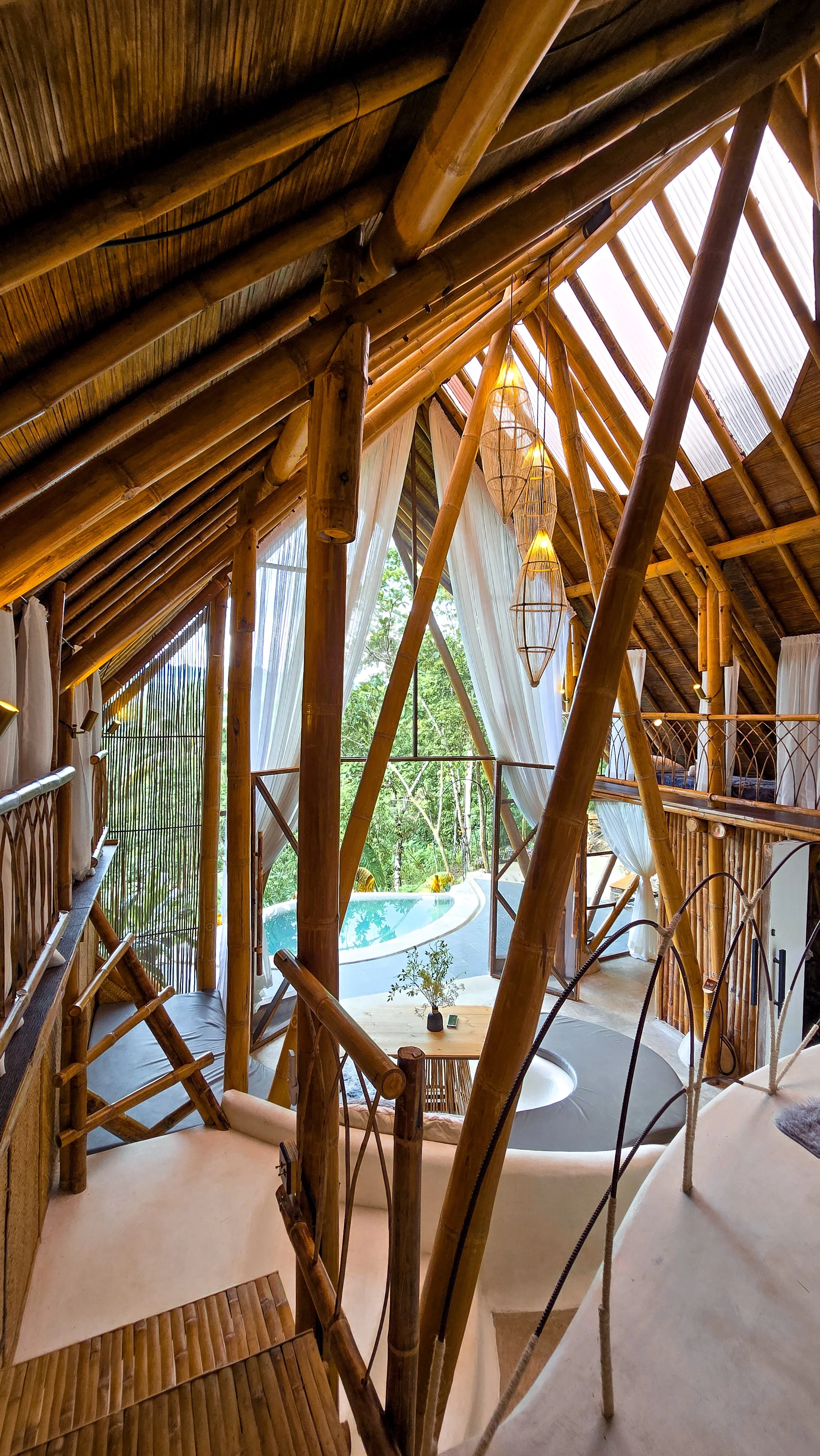
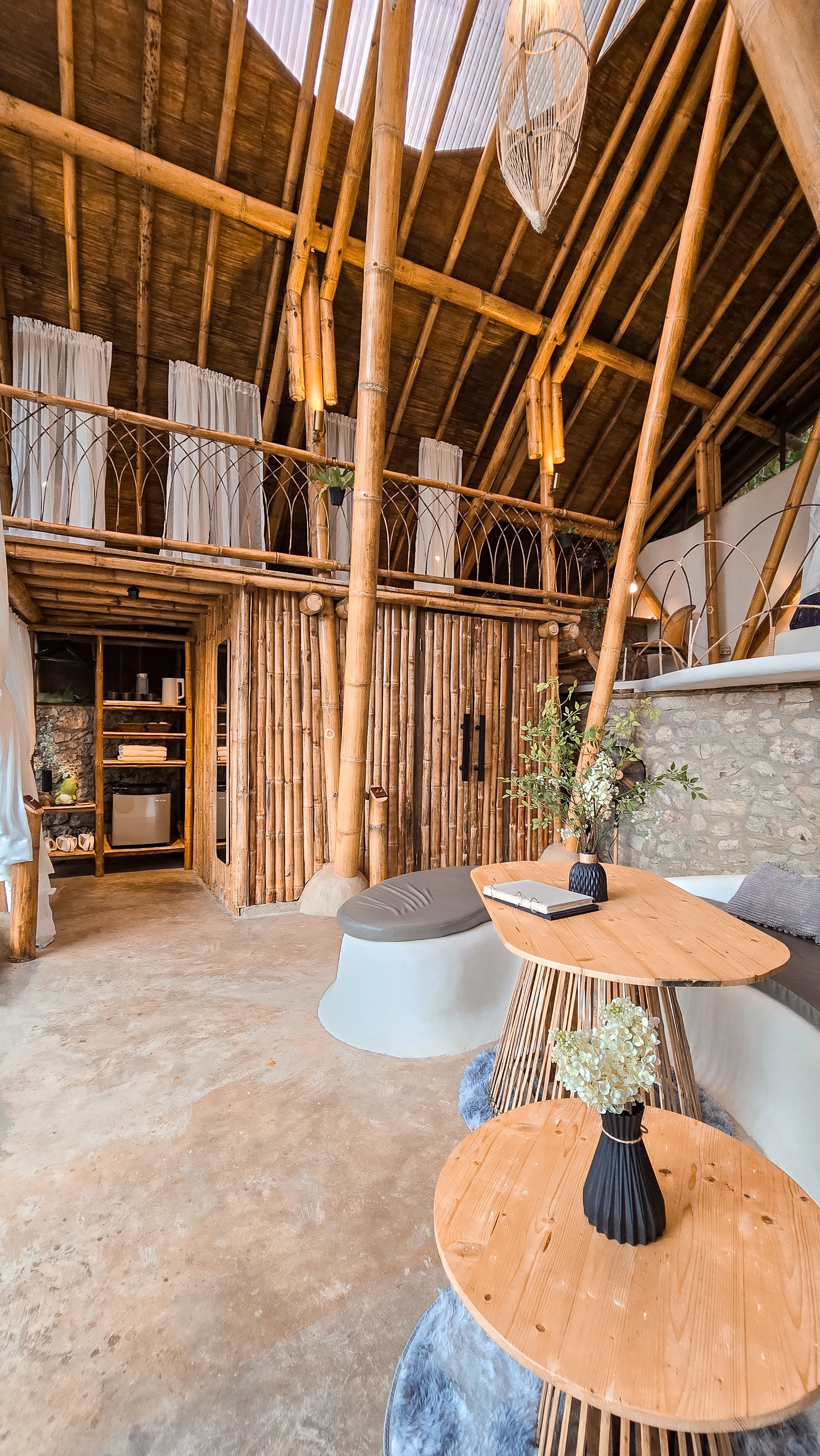
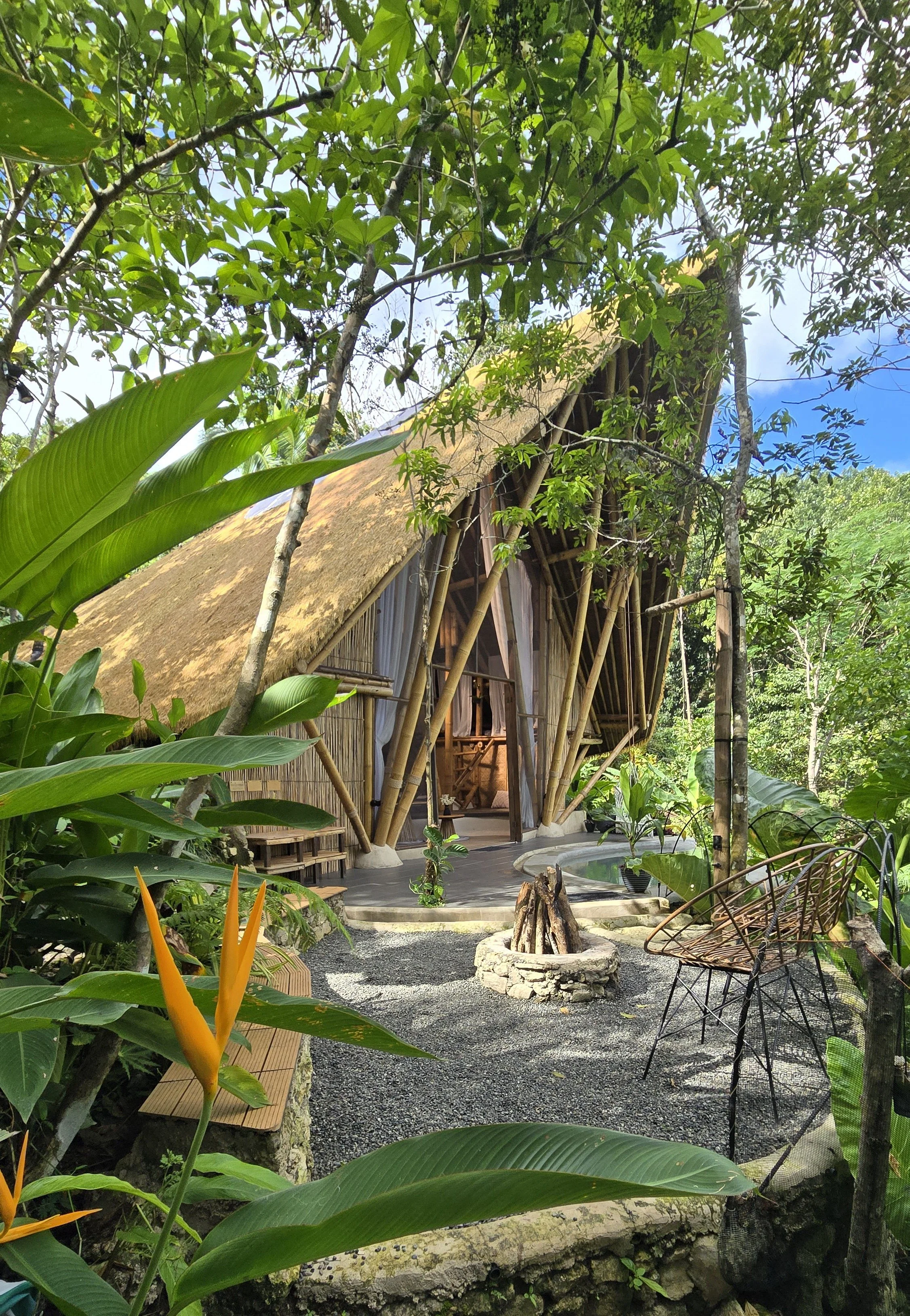
Balay Aninipot, meaning “Firefly House,” is a bamboo villa nestled within Alhibé Farm in the mountains of Carmen, Cebu. It explores low-impact architecture through locally sourced bamboo, natural treatment methods, and hands-on craftsmanship by the farm’s in-house team. Built slowly and thoughtfully in harmony with its surroundings, the villa reflects a grounded approach to sustainable design.
Recognition: Top 3 Nominee — Tatler Homes Design Awards 2025, Best Sustainable Design
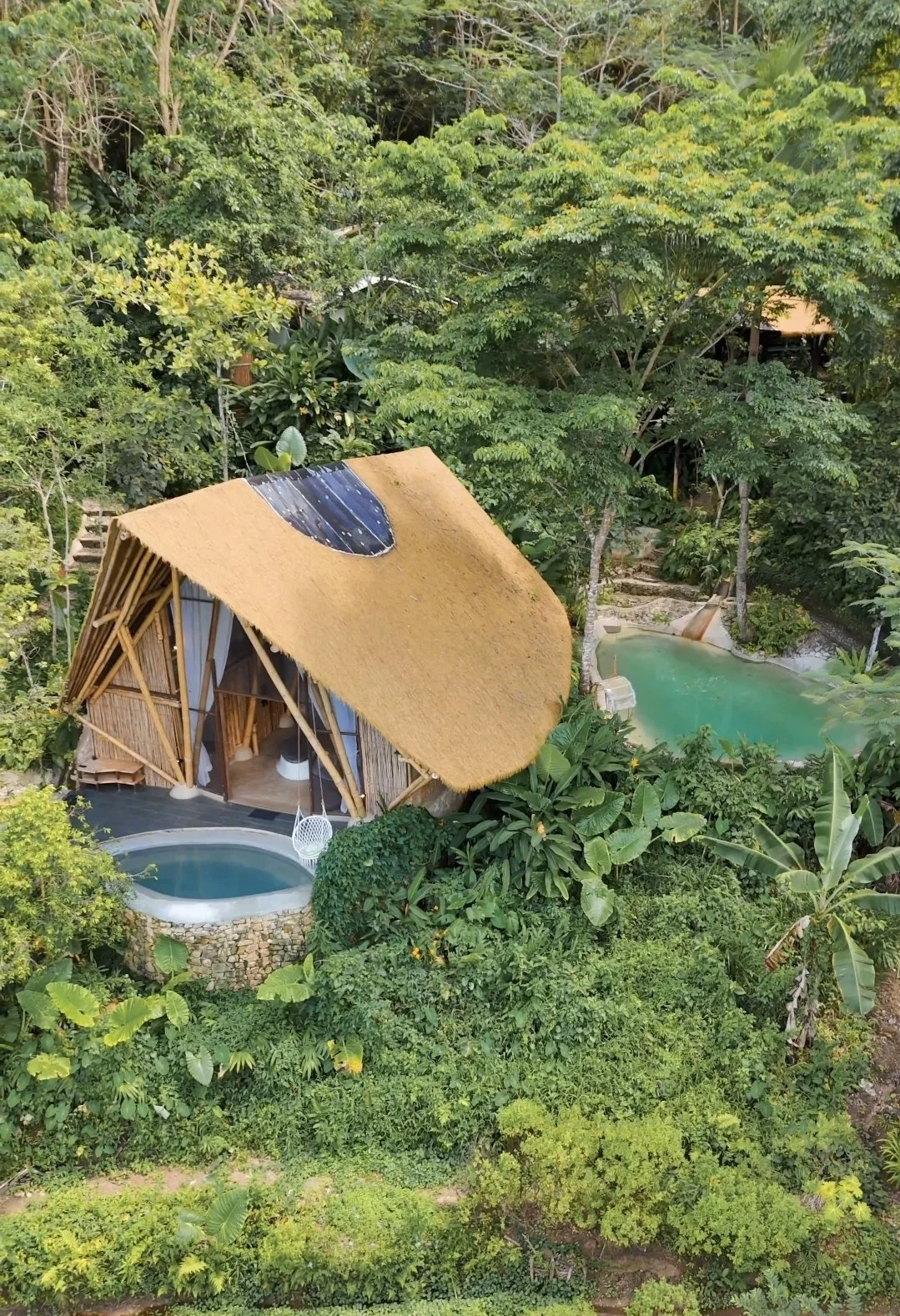
More than a villa, it is a love letter to the land and a quiet invitation toward a slower, more conscious way of building.
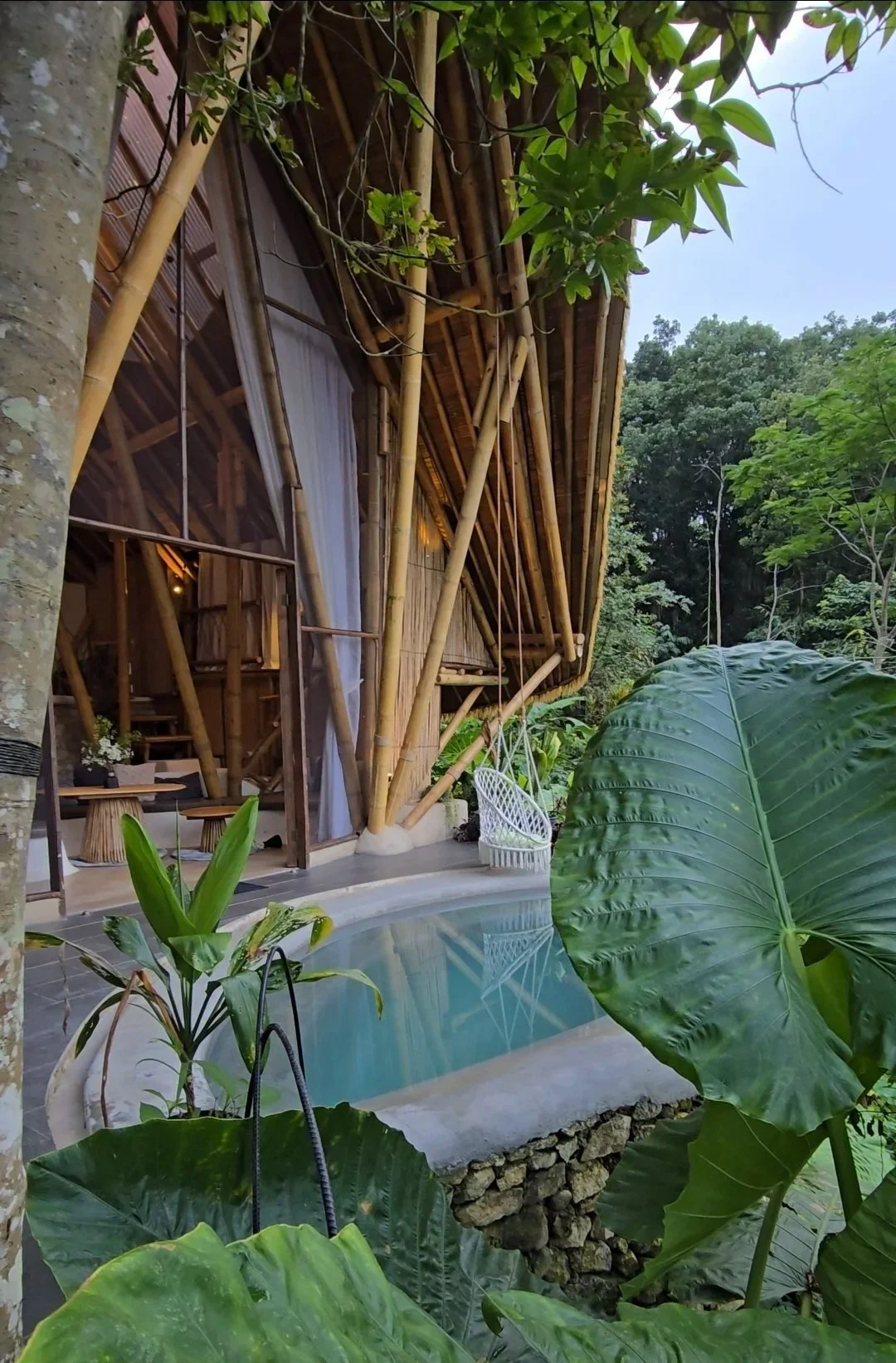
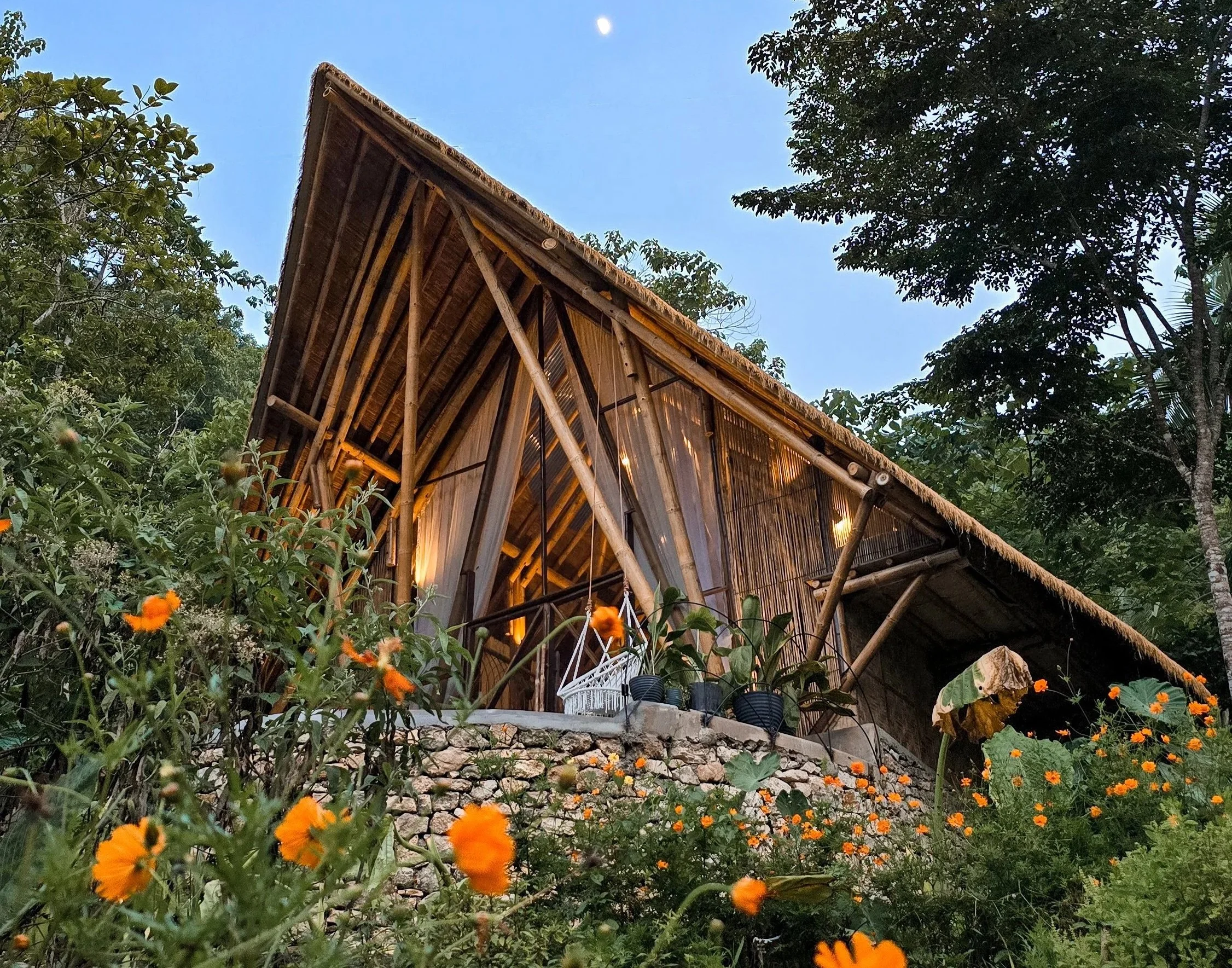
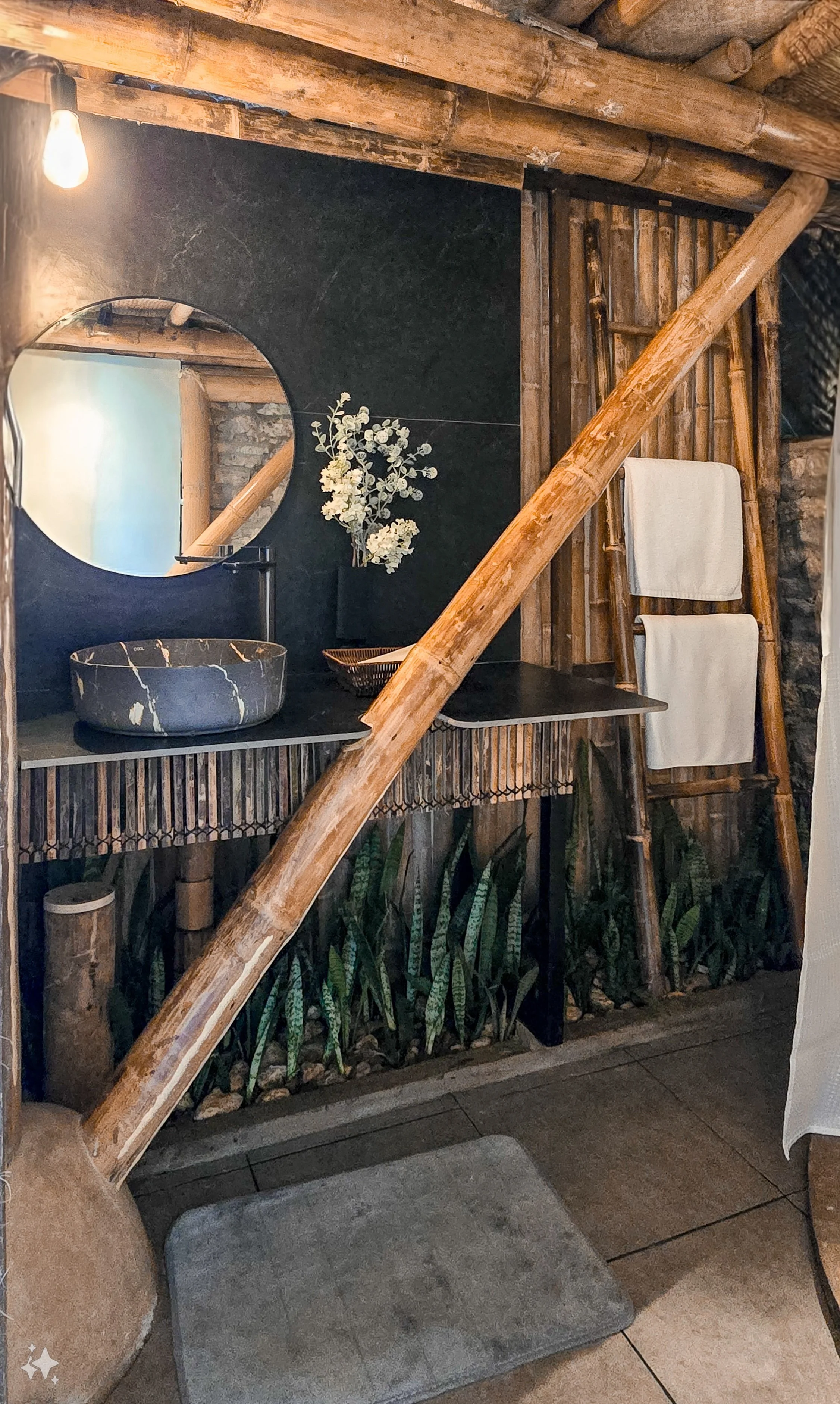
Every bamboo pole was locally sourced nearby, thoughtfully selected, and naturally treated within Alhibé Farm using ethical, low-impact methods. No shortcuts. No chemical-heavy interventions. Just material from the land, shaped by the hands of the community that lives with it.
Balay Aninipot Bamboo Villa is a private bamboo nature stay within Alhibe Farm, designed as a quiet shelter for rest, reconnection, and slow living. Its name, Aninipot, means “firefly” in Cebuano—an ode to the small lights that appear in the farm at night and to the gentle magic of being close to nature.
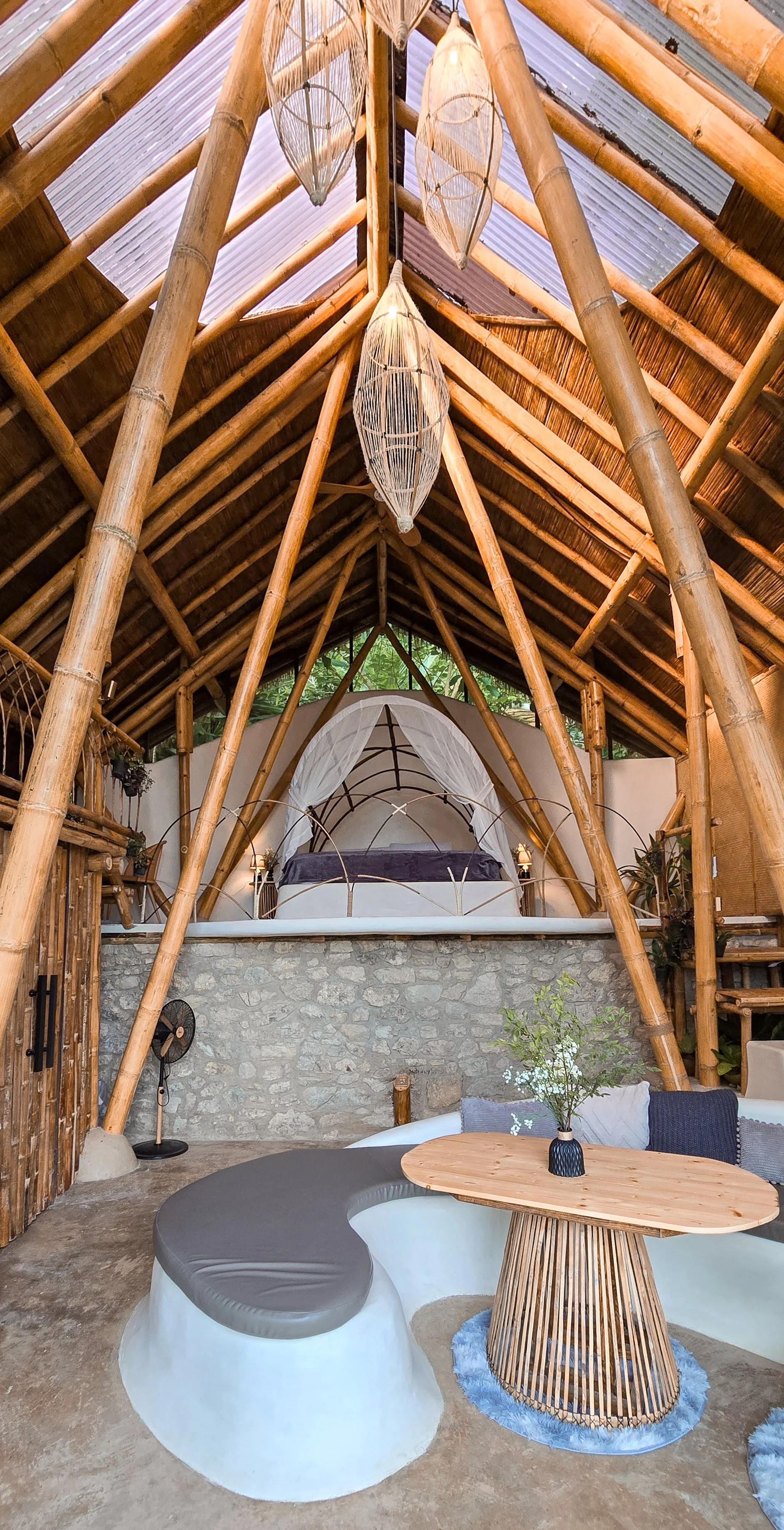
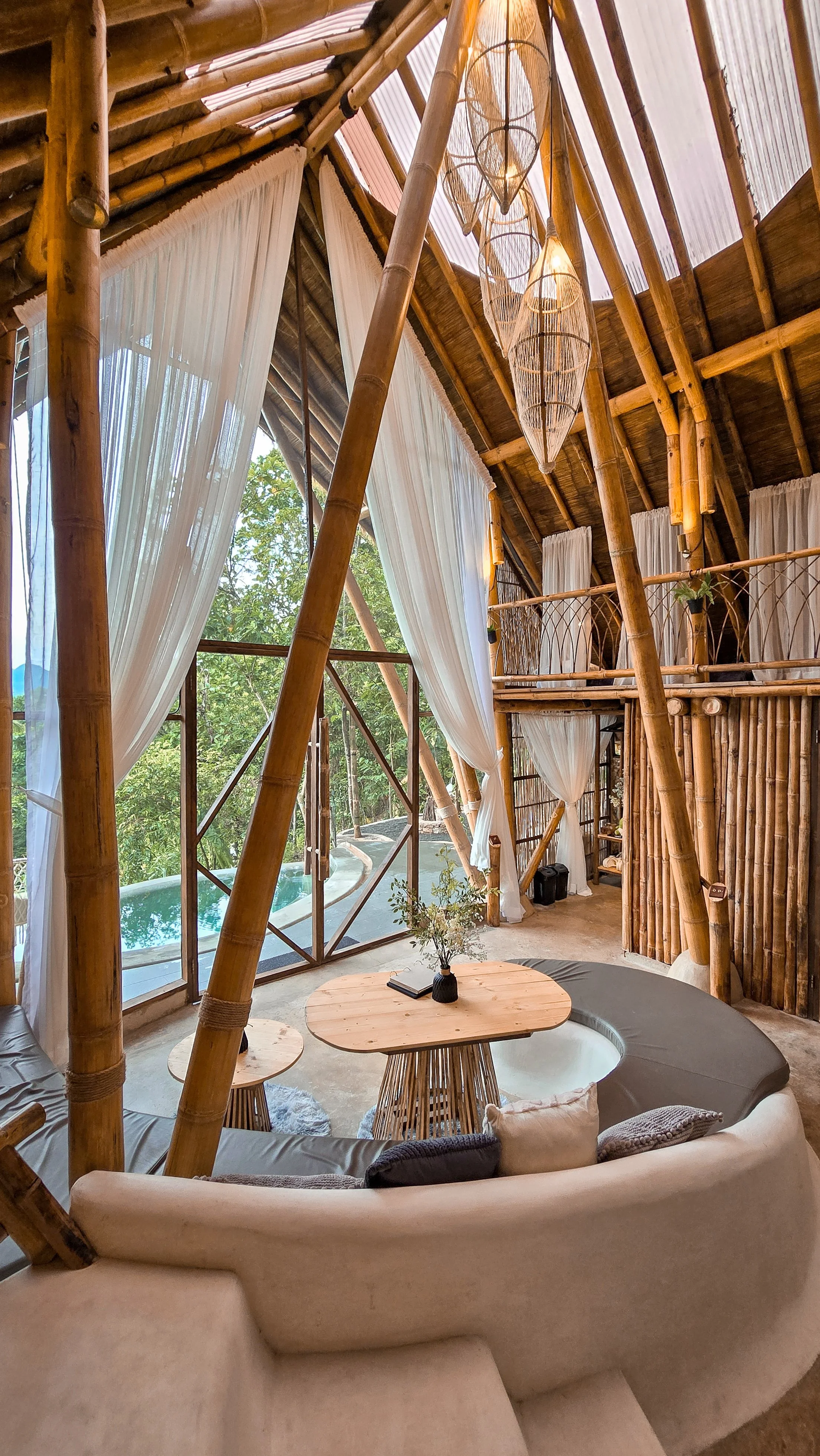
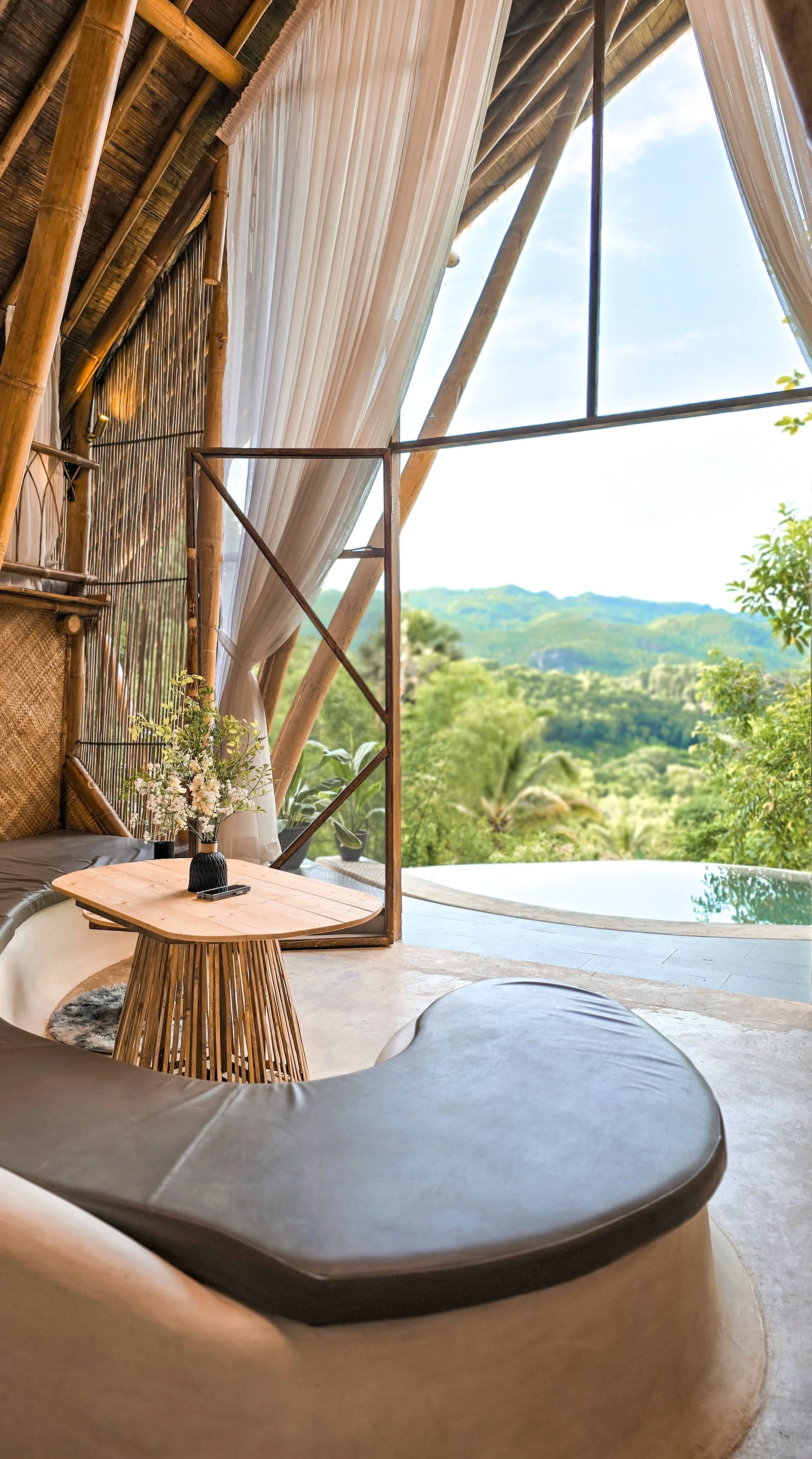
The villa was built not as a typical resort accommodation, but as a living expression of Alhibe’s philosophy: to create with the land, not against it. It was carefully placed within the existing terrain, surrounded by trees, spring water, gardens, and the natural sounds of the mountain. Bamboo became the main material, chosen for its warmth, flexibility, local relevance, and deep connection to tropical living.
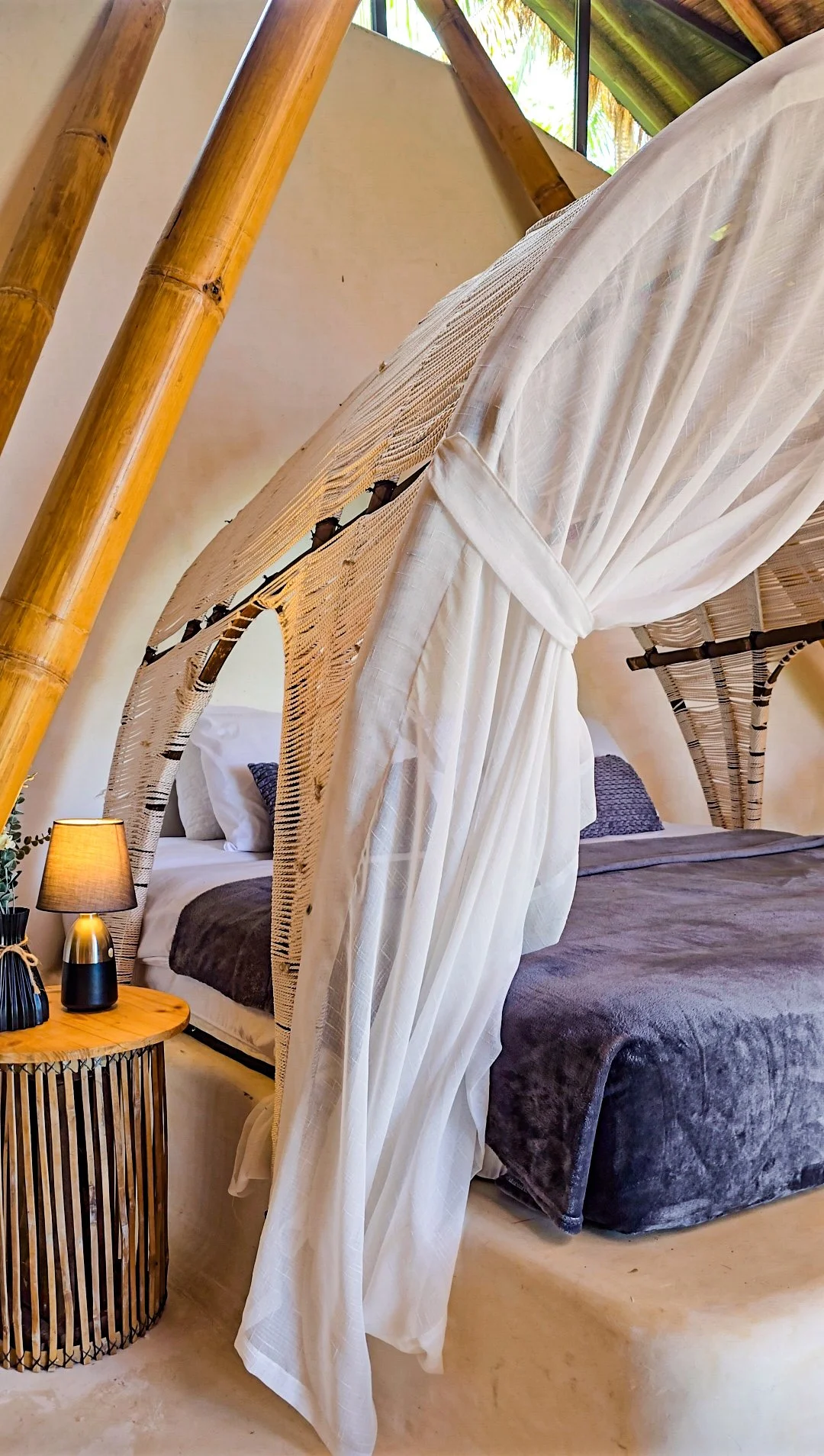
Inside, the villa offers a simple and grounding experience—open, breathable, and intimate. It invites guests to slow down, wake up with filtered light, feel the cool air moving through the space, and listen to the quiet rhythm of the farm. Every part of the stay is intentionally close to nature, from the bamboo structure and natural textures to the views, pathways, and surrounding greenery.
Balay Aninipot has become one of Alhibe Farm’s most meaningful spaces: a proof of concept that architecture can be beautiful without being excessive, comfortable without being disconnected, and memorable without overpowering the land. It is a place where design, ecology, and stillness meet.