HUE SIARGAO
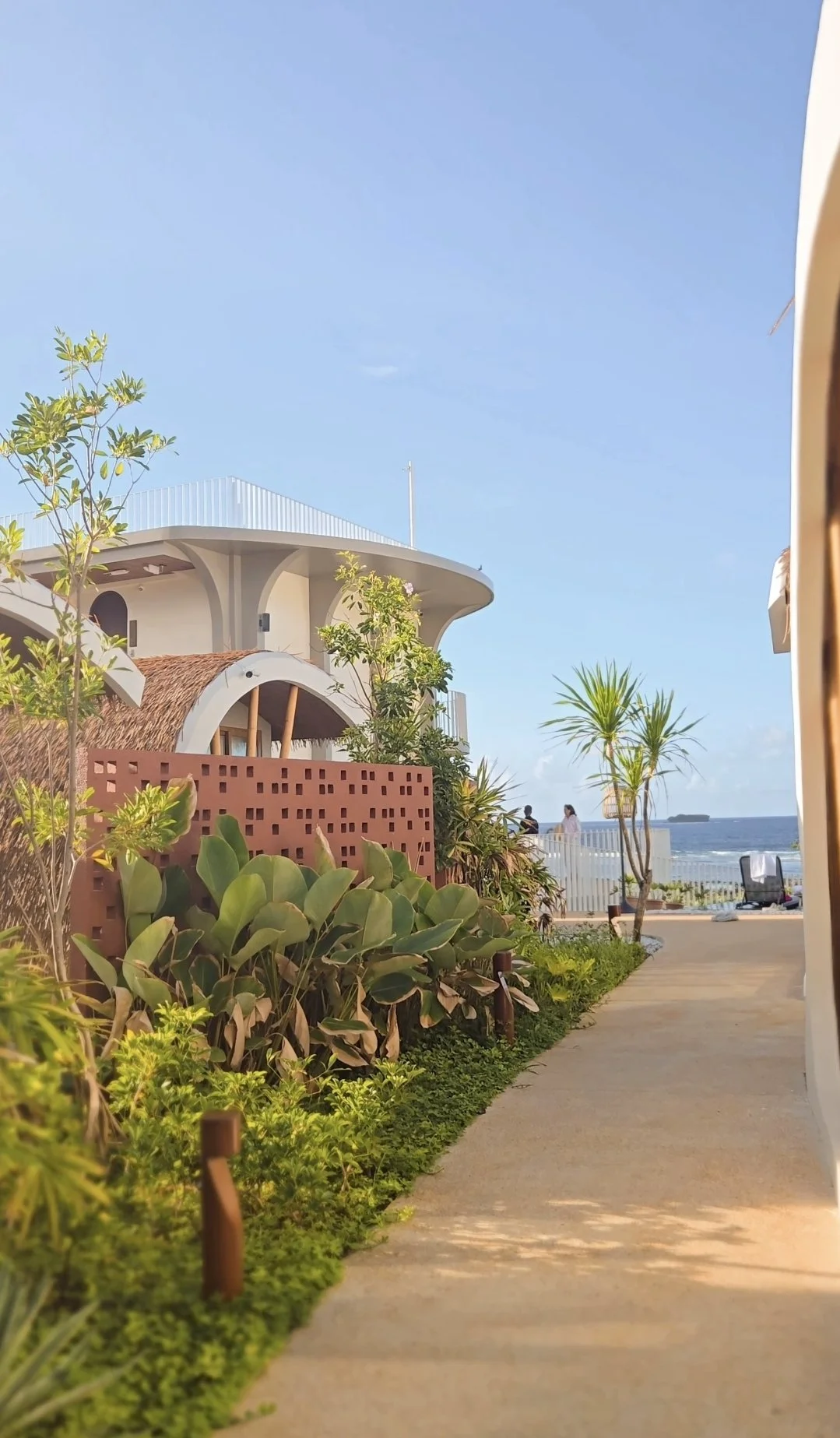
From the shores of Siargao, HUE emerges as a response to place—shaped by the rhythm of the waves, the strength of the winds, and the quiet beauty of island life.
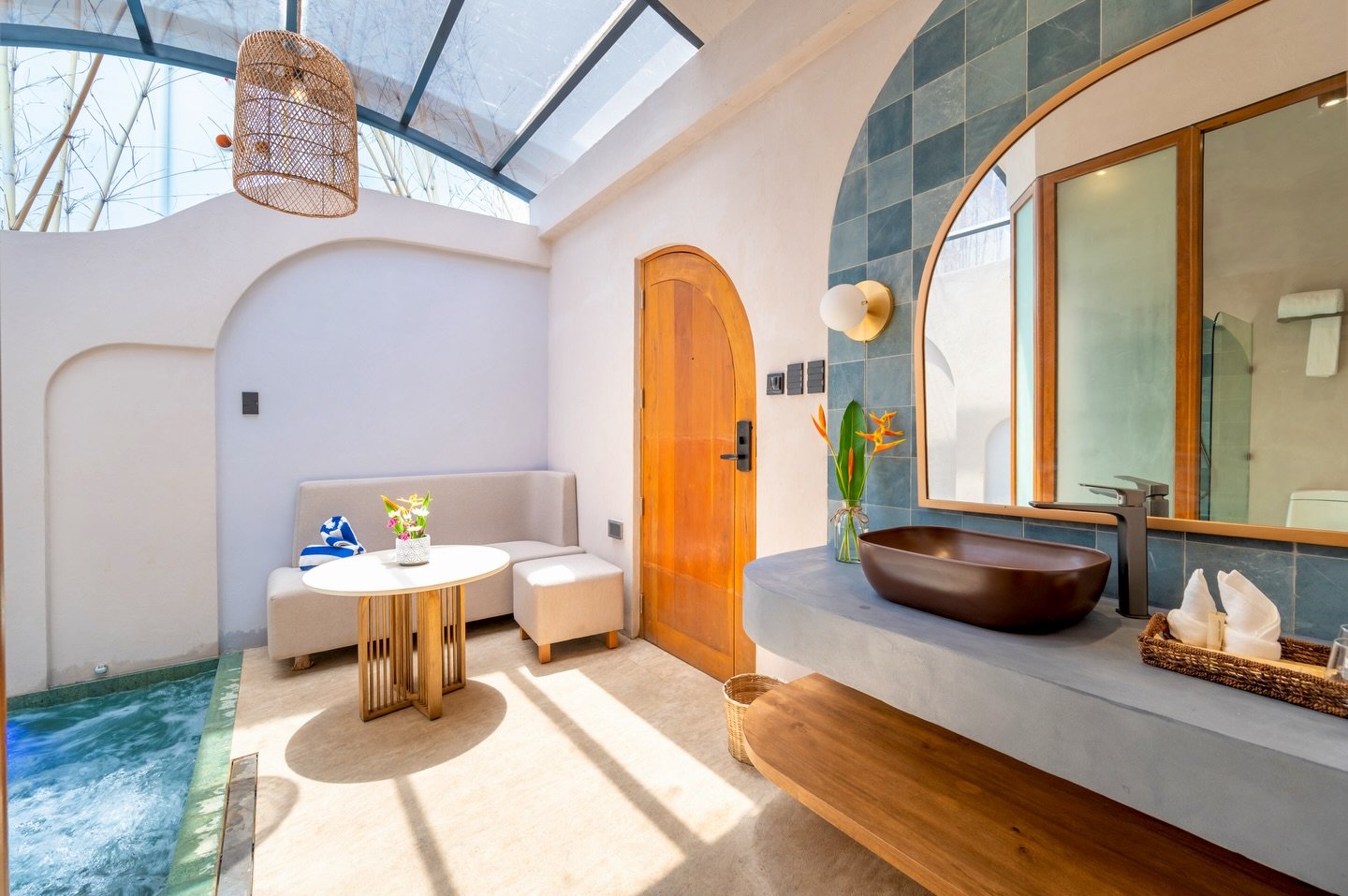
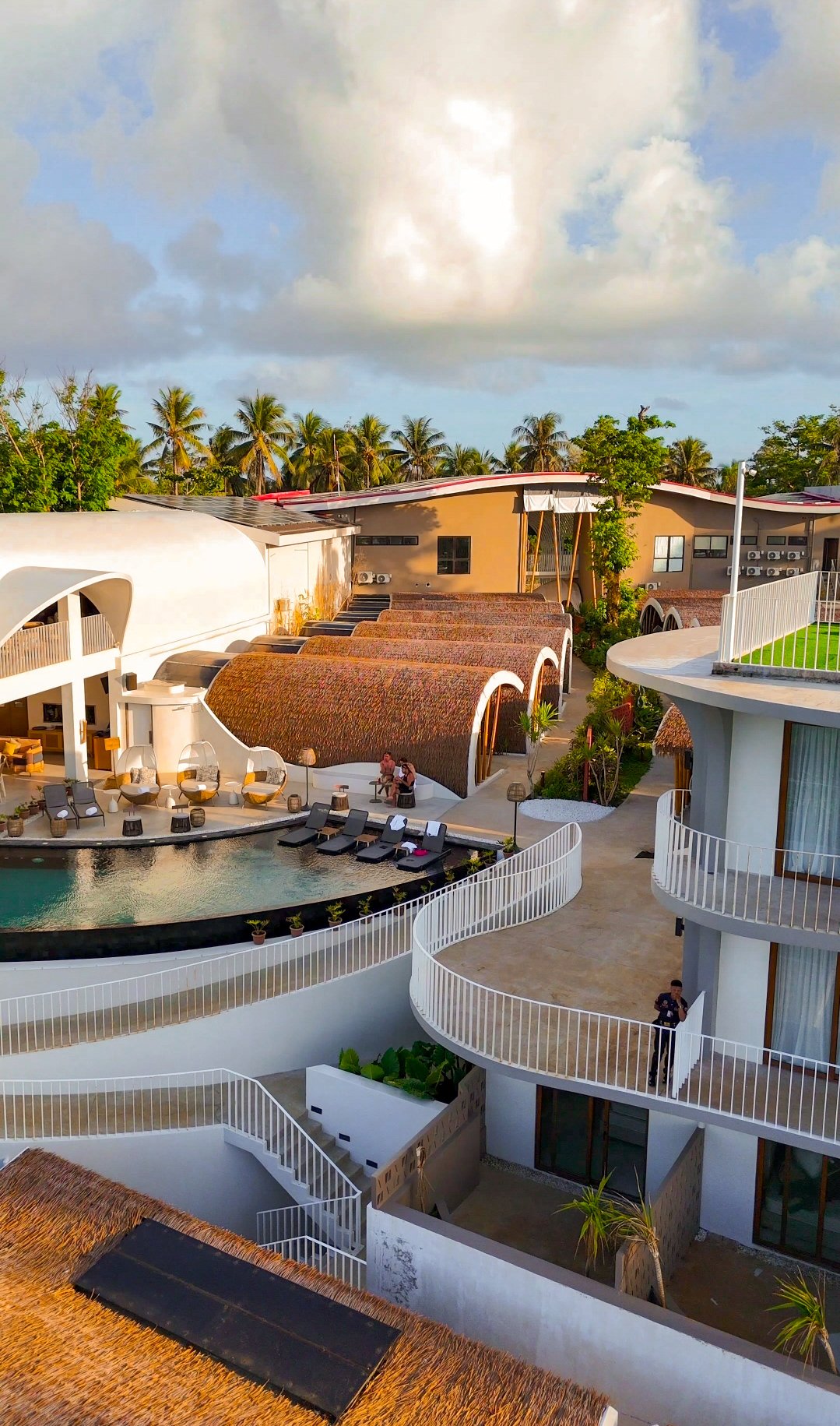
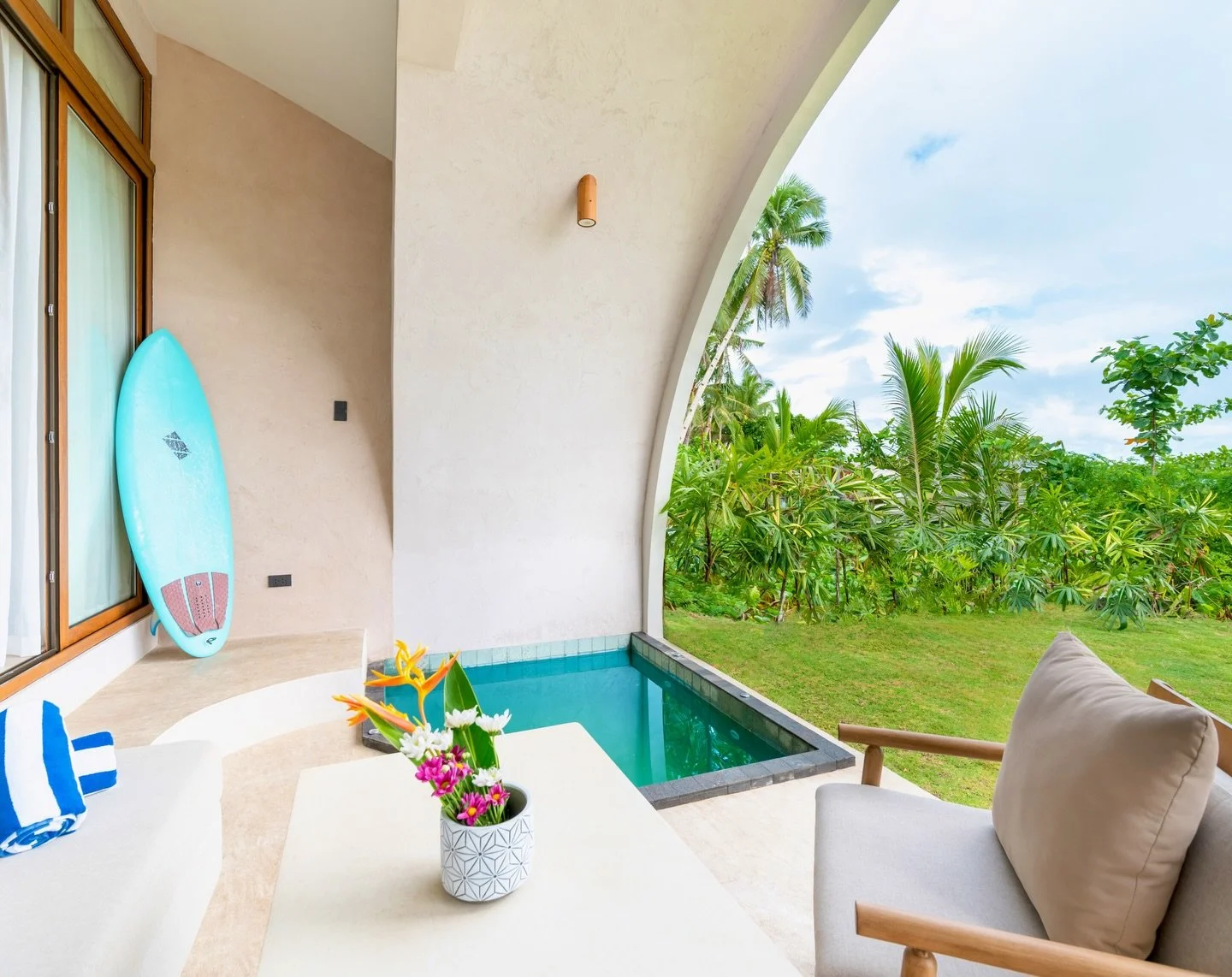
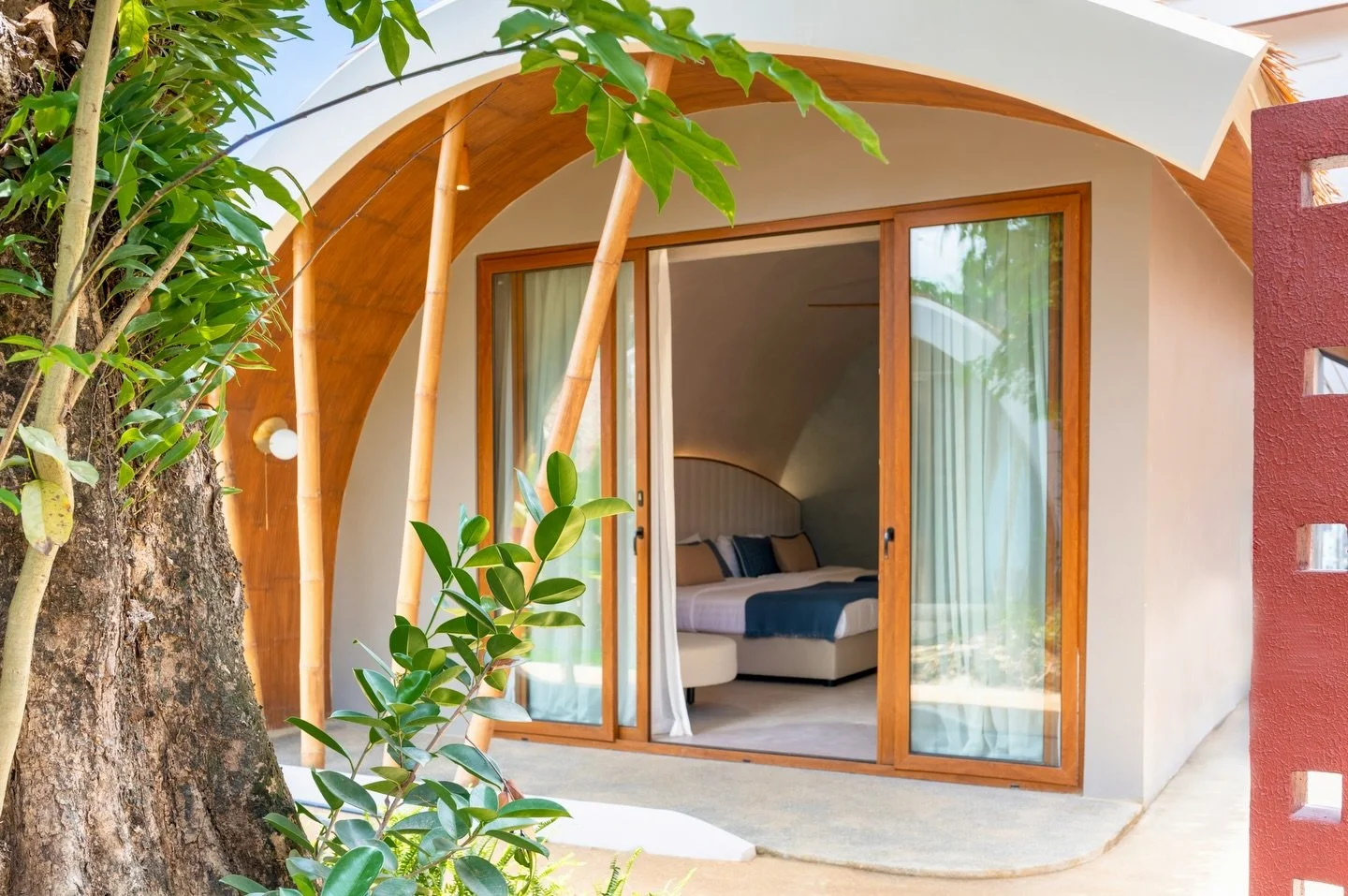
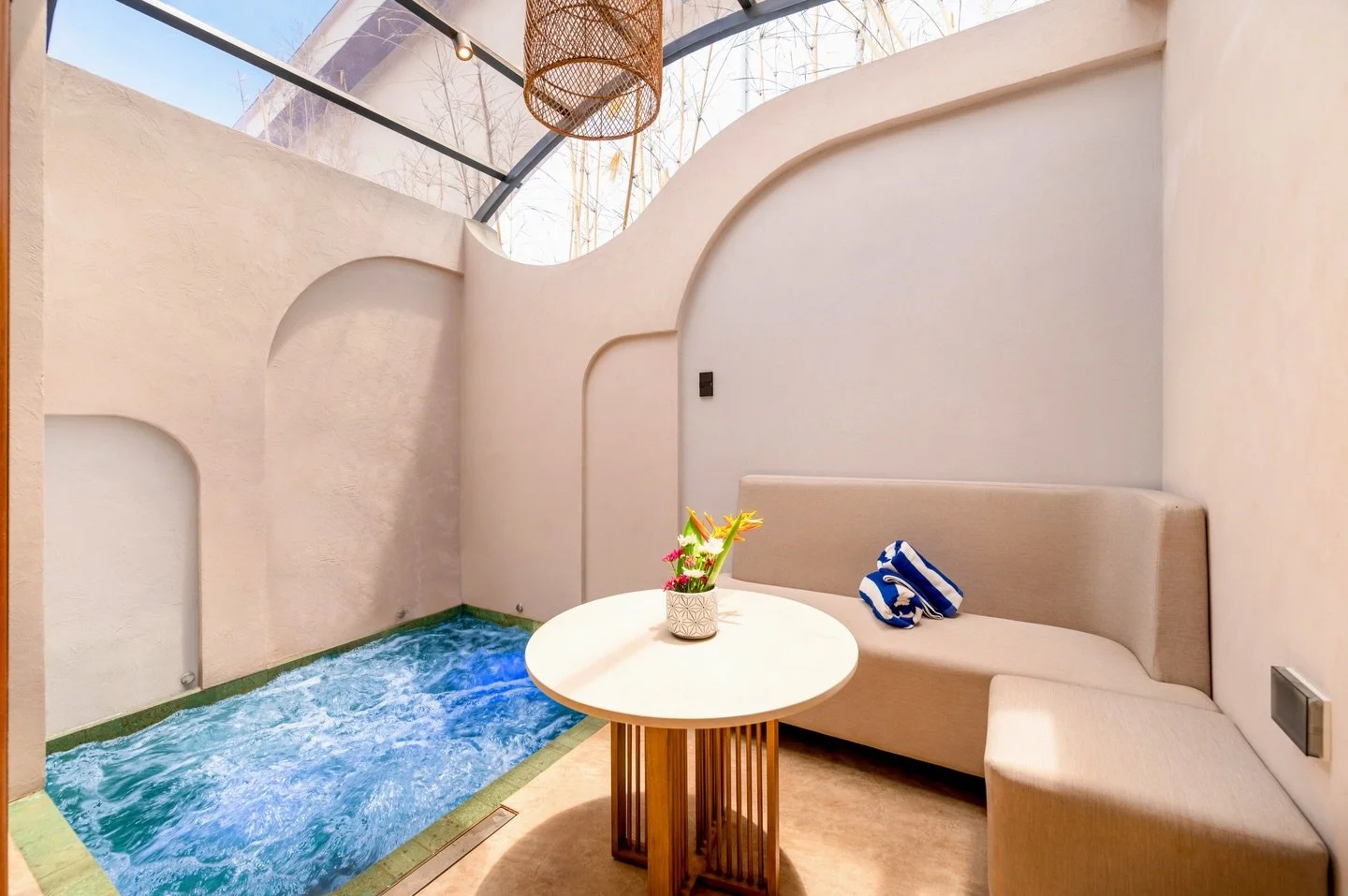
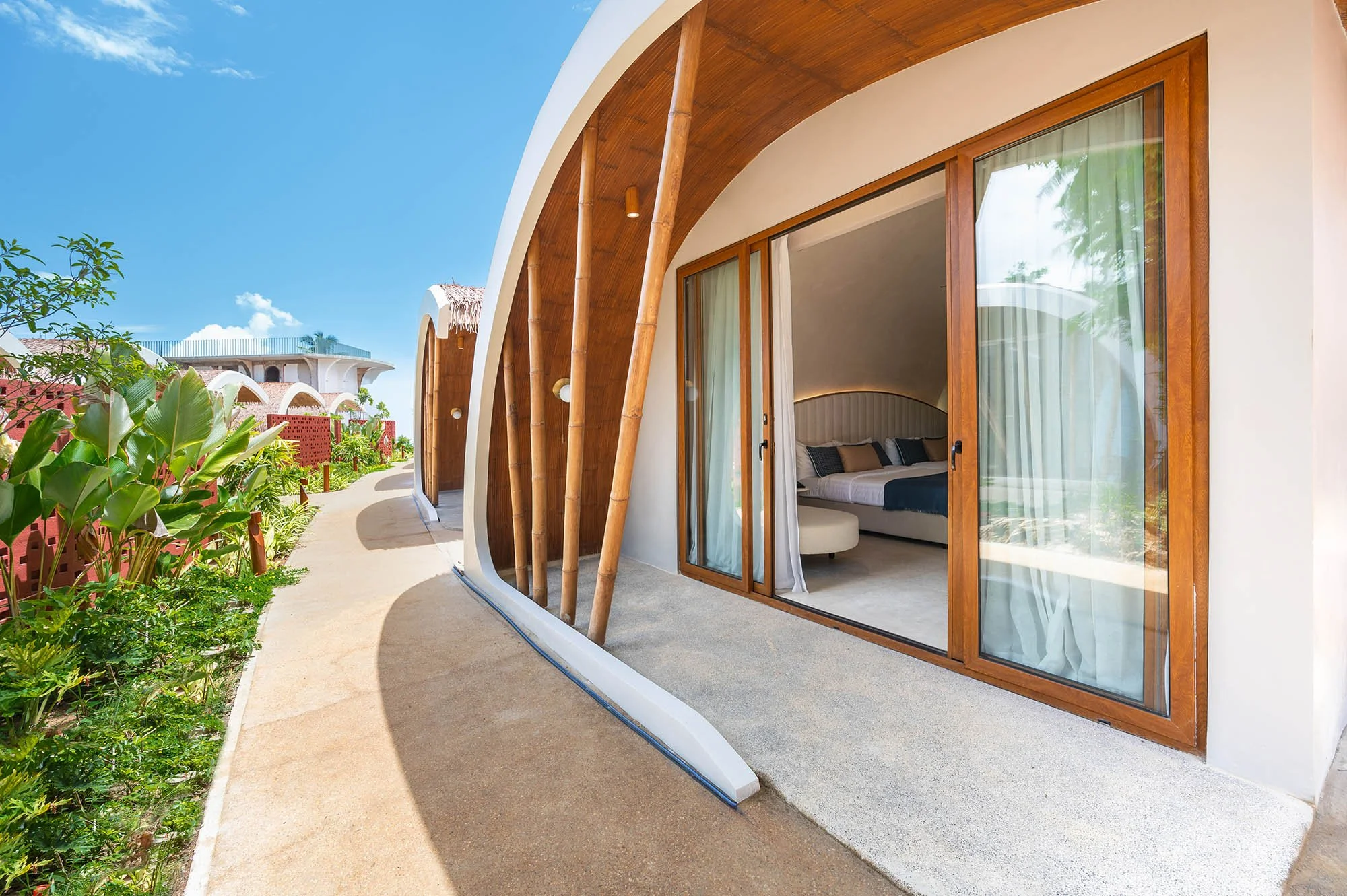
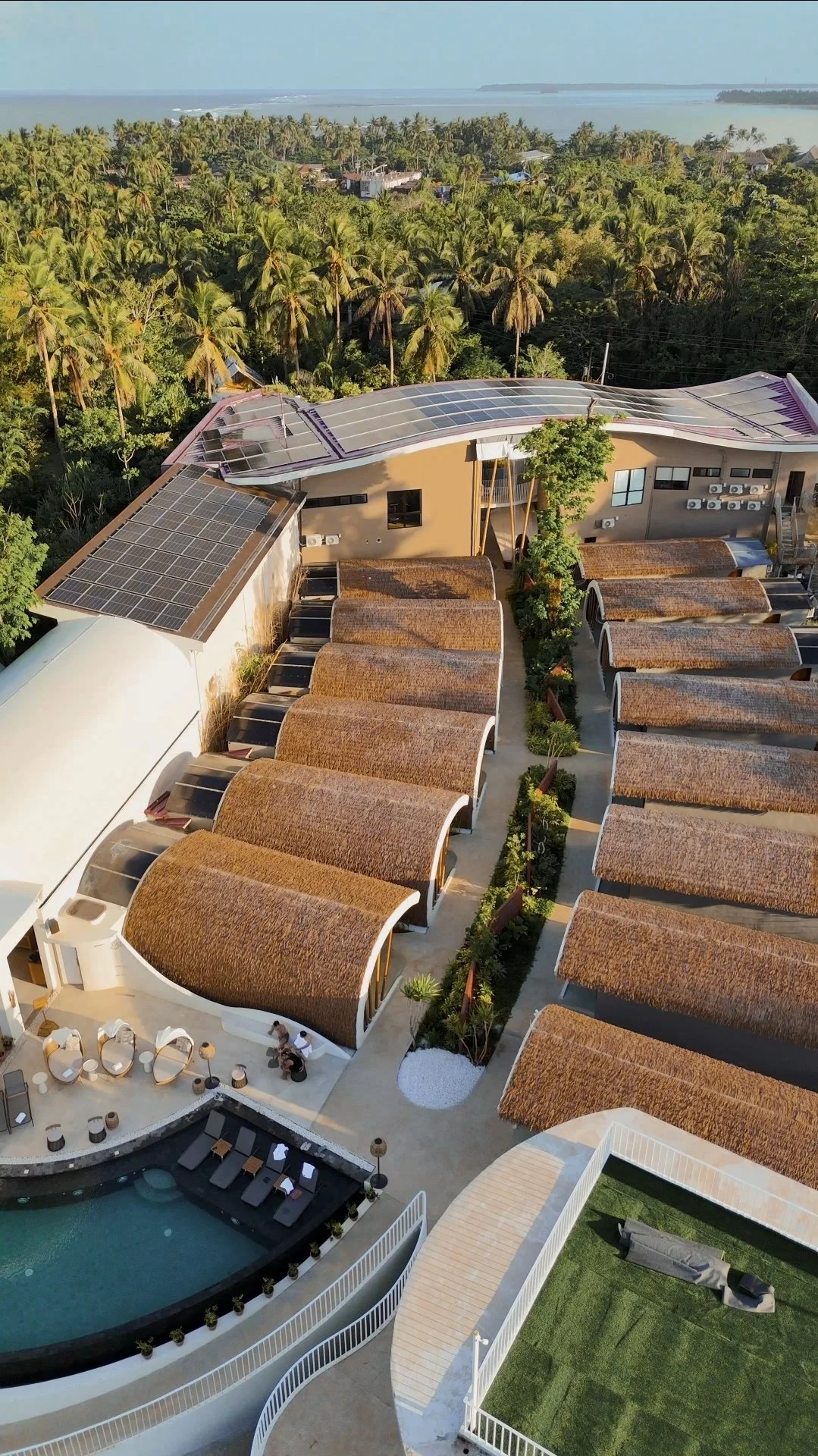
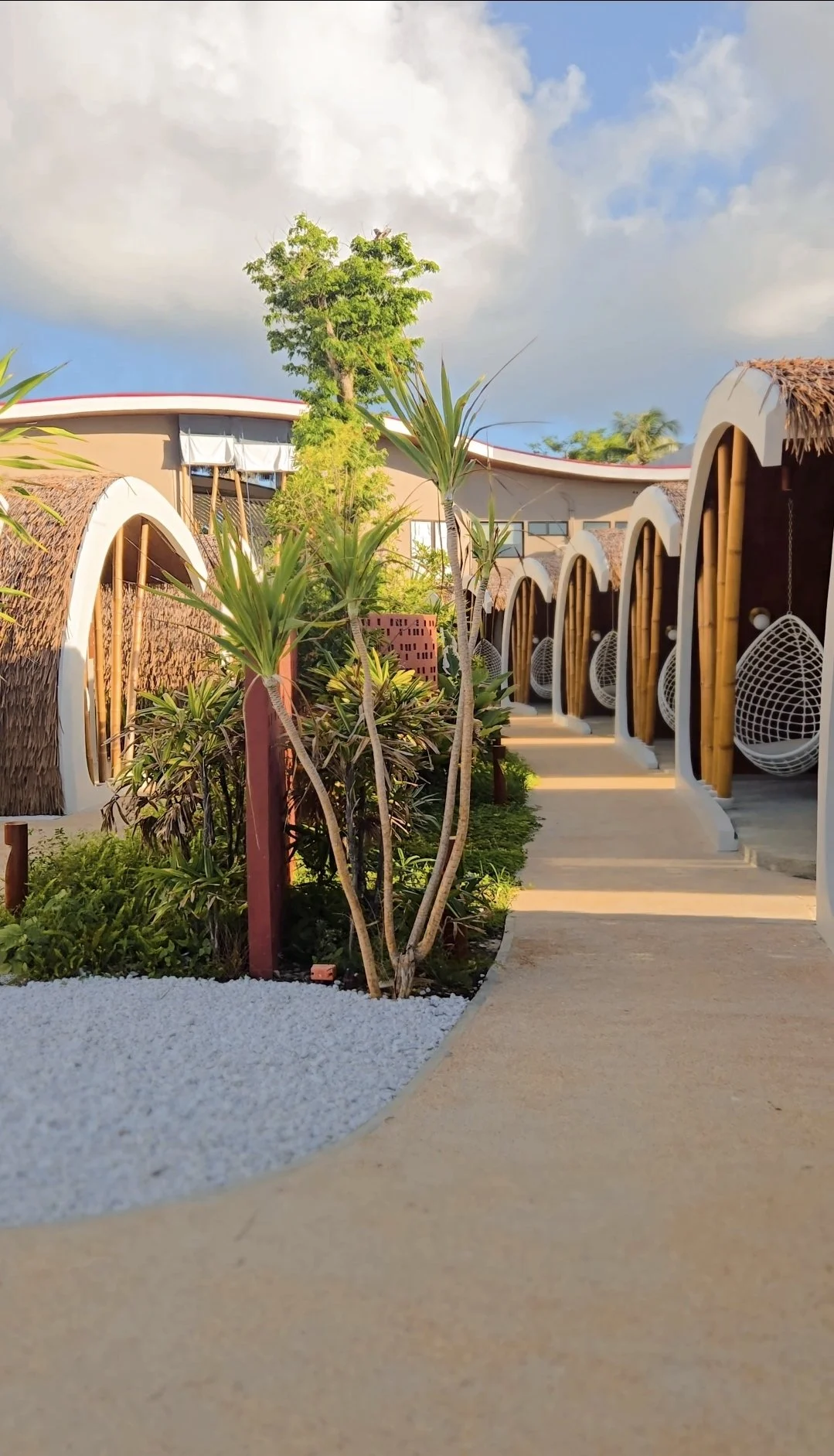
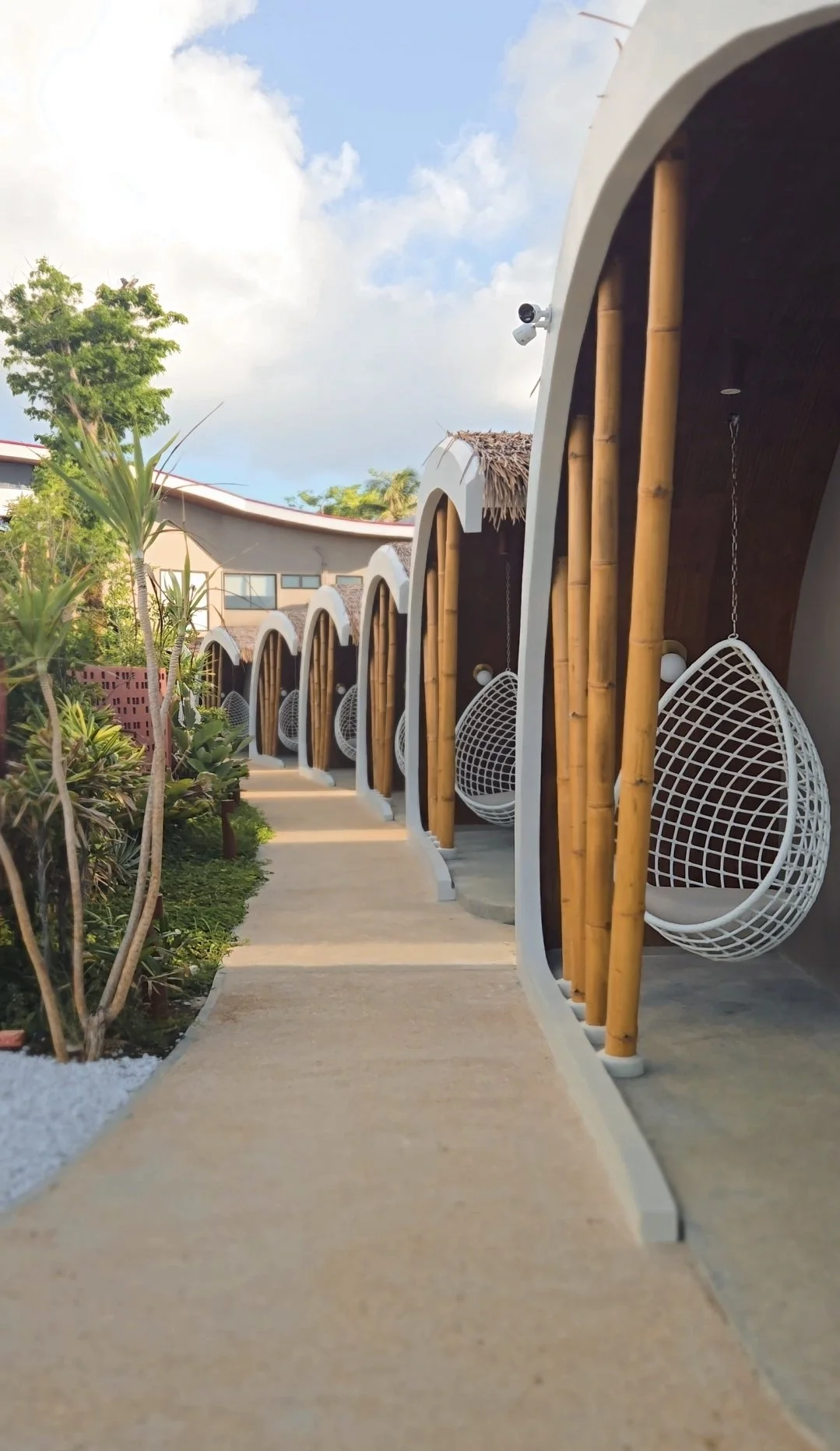
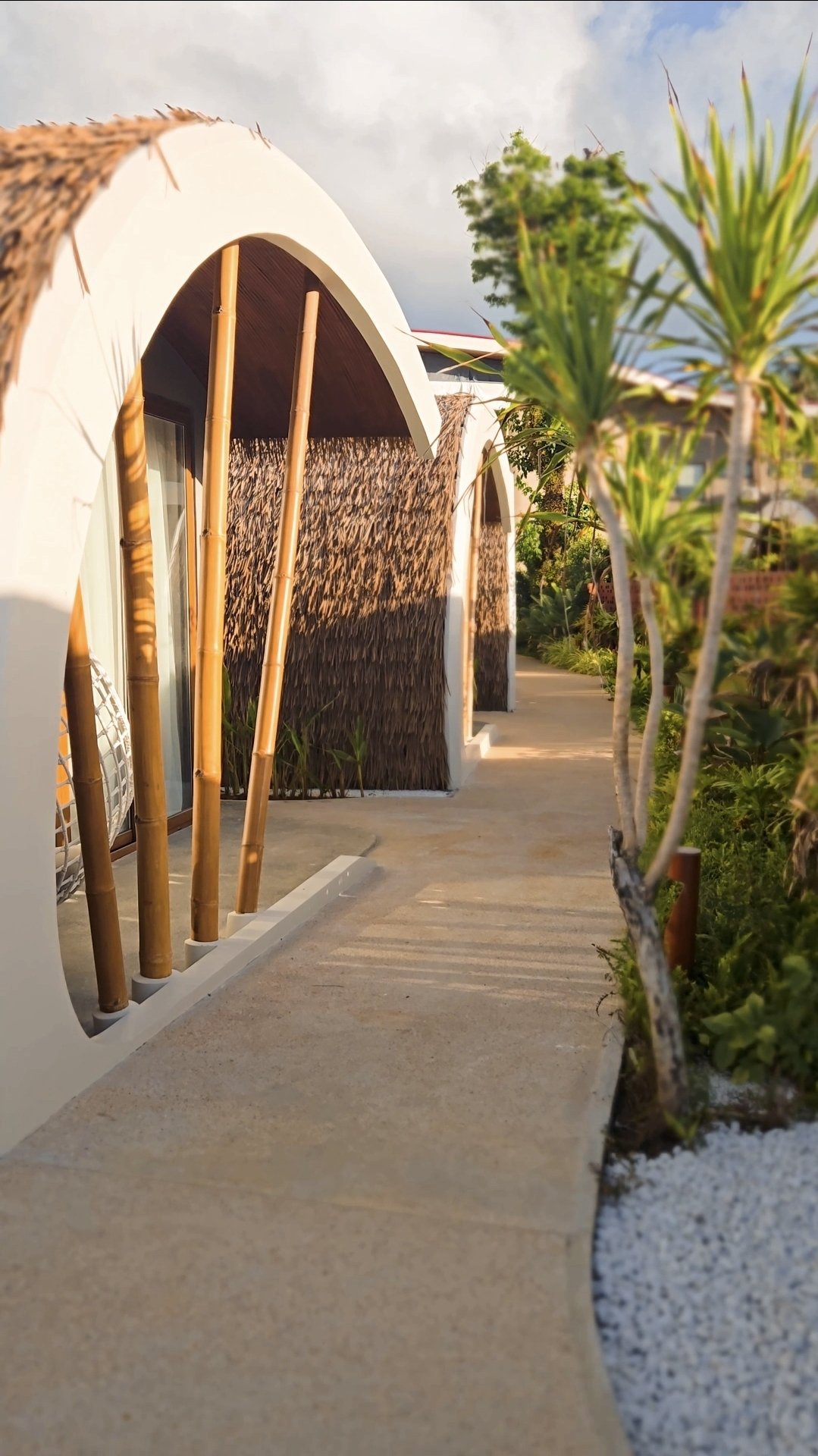
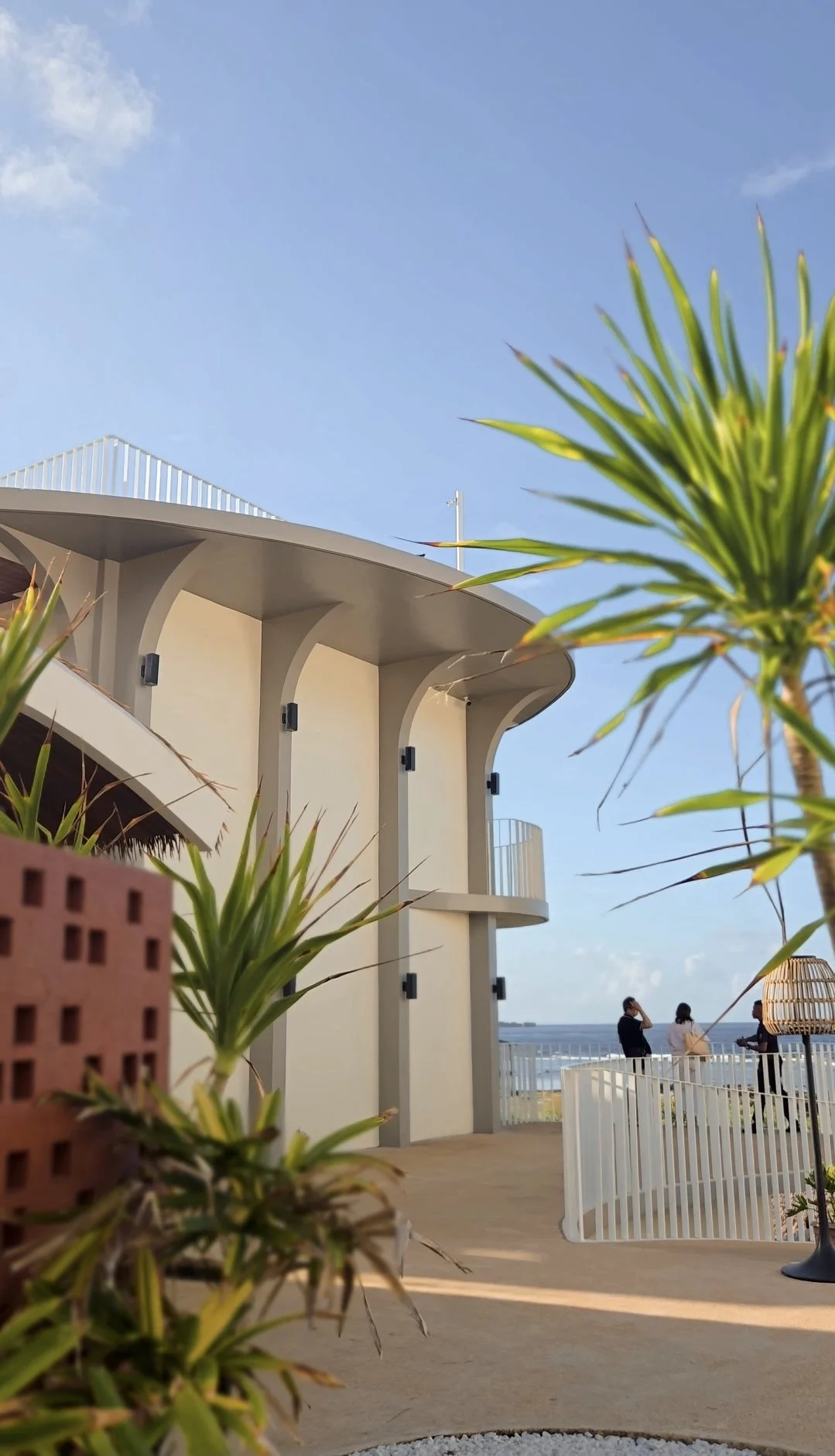
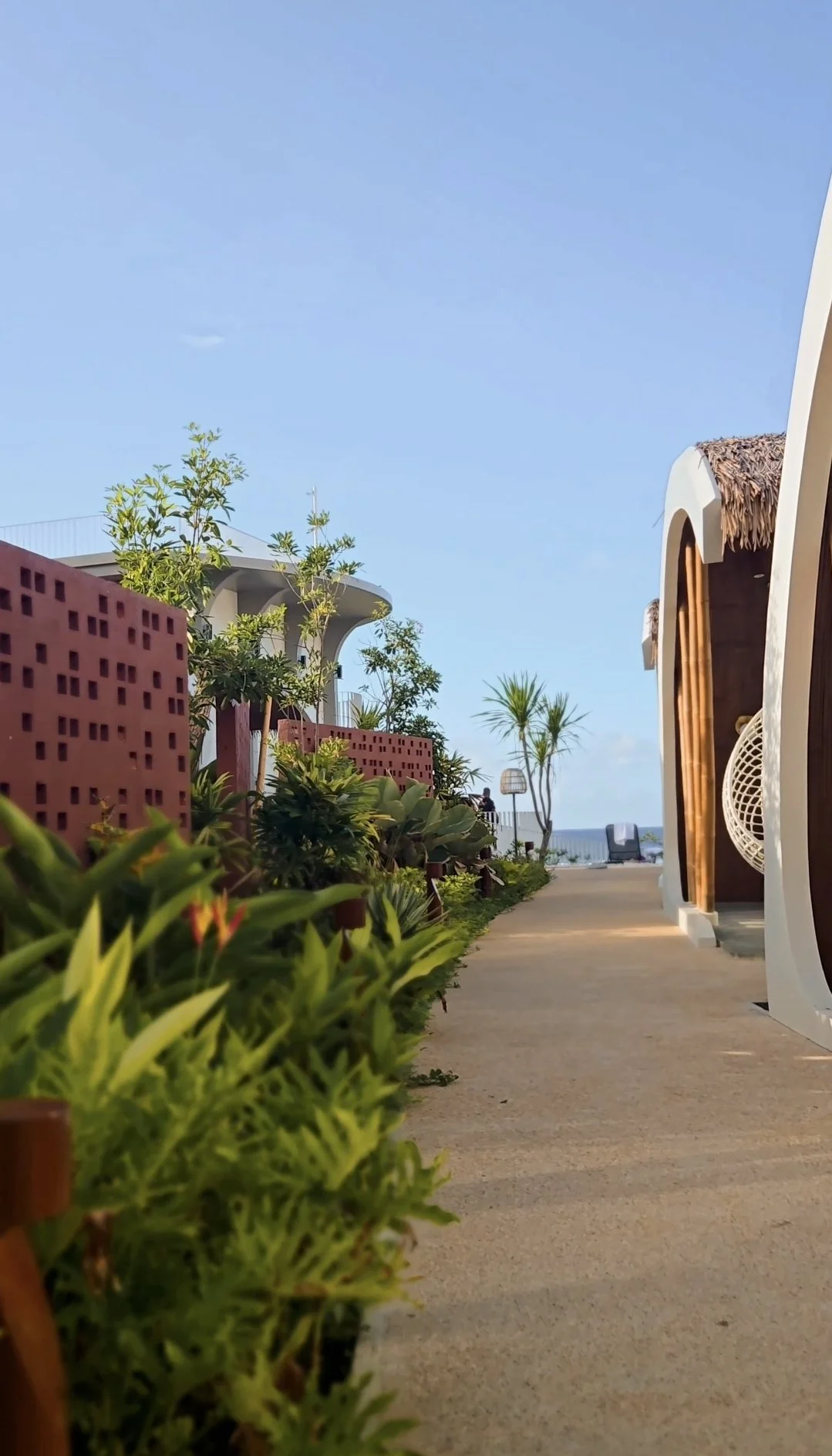
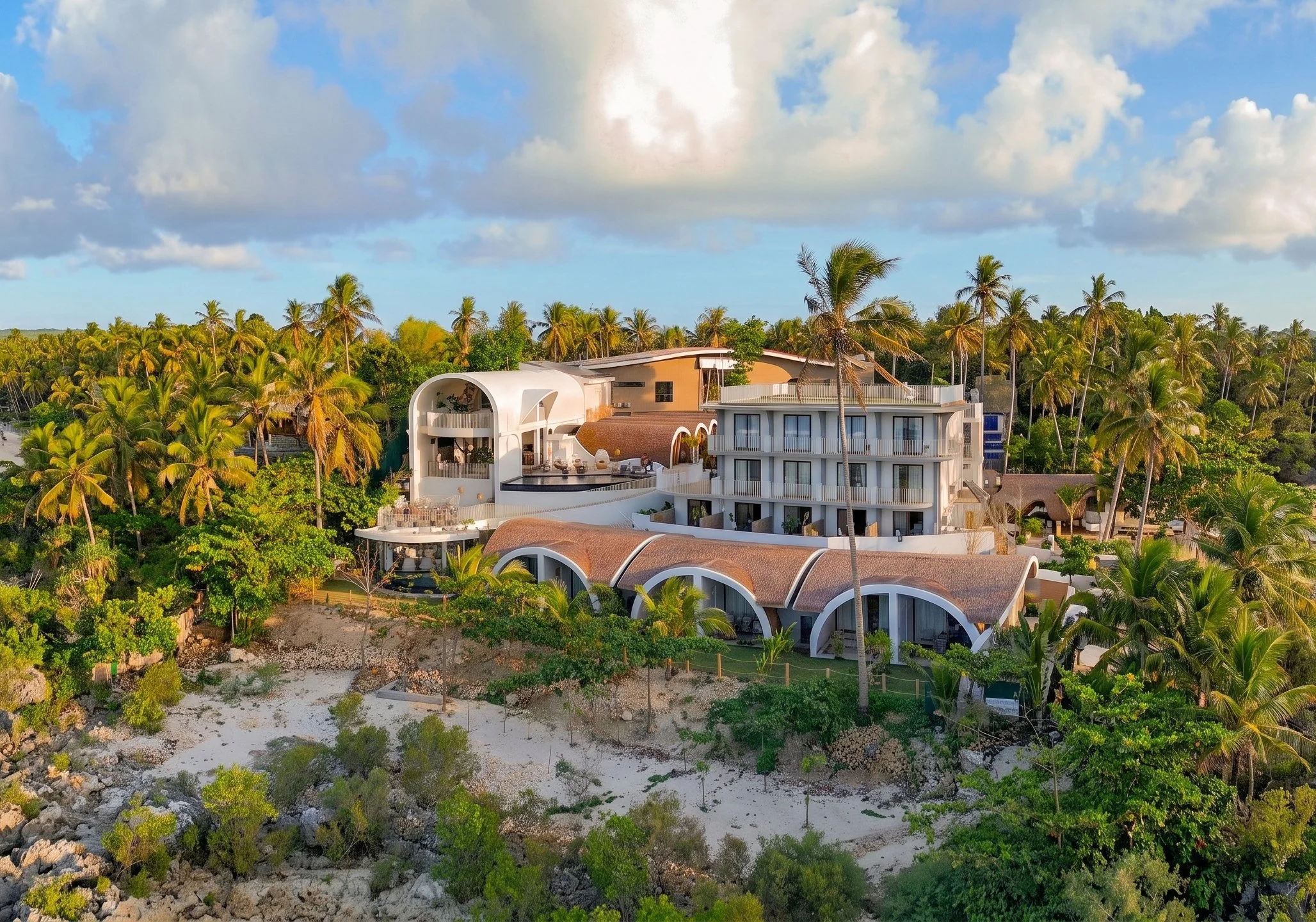
Designed with sustainability, resilience and experience in mind, the architecture balances openness with protection—allowing natural light, ventilation, and uninterrupted views while standing firm against the elements. Curved forms echo the movement of the sea, guiding both space and flow, while interiors seamlessly follow these gestures through soft transitions, layered textures, and natural finishes.
Every event we host is designed with intention, from the atmosphere we create to the way each session flows.
Hue Siargao also integrates eco-conscious initiatives such as a desalination system, passive airflow, natural daylighting, recycled mineral-based paints, and future garden spaces envisioned to support fresh produce for the resort.
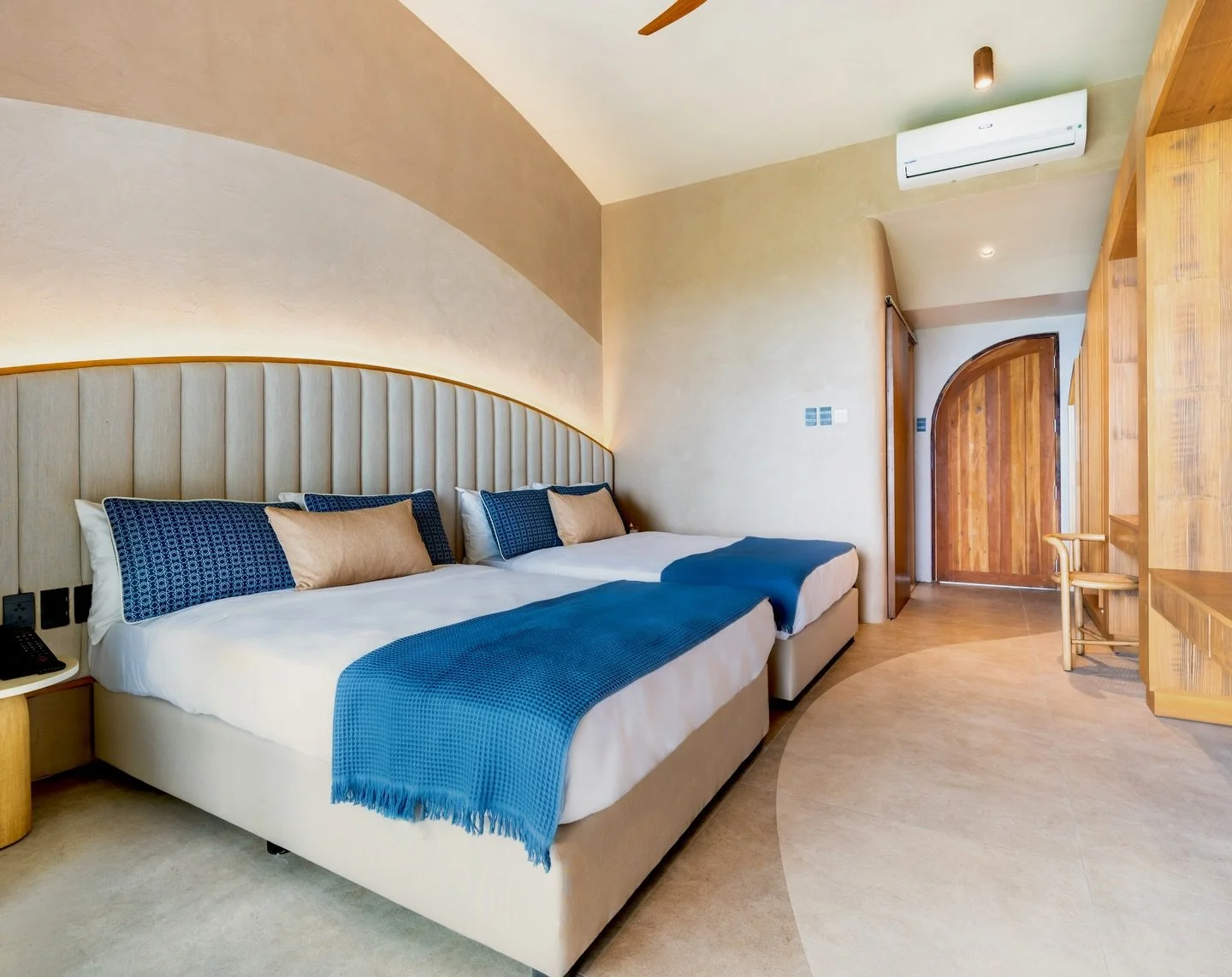
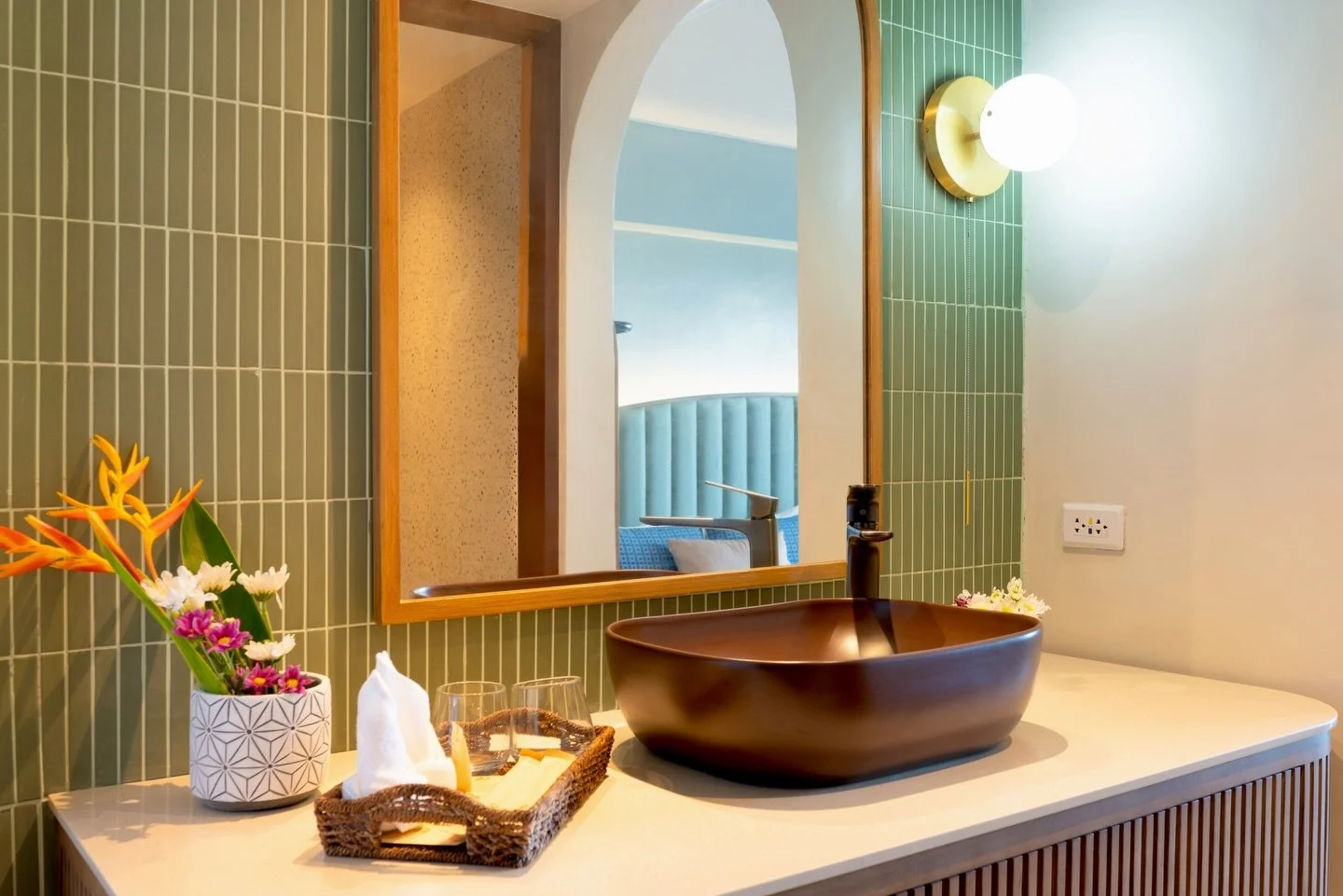
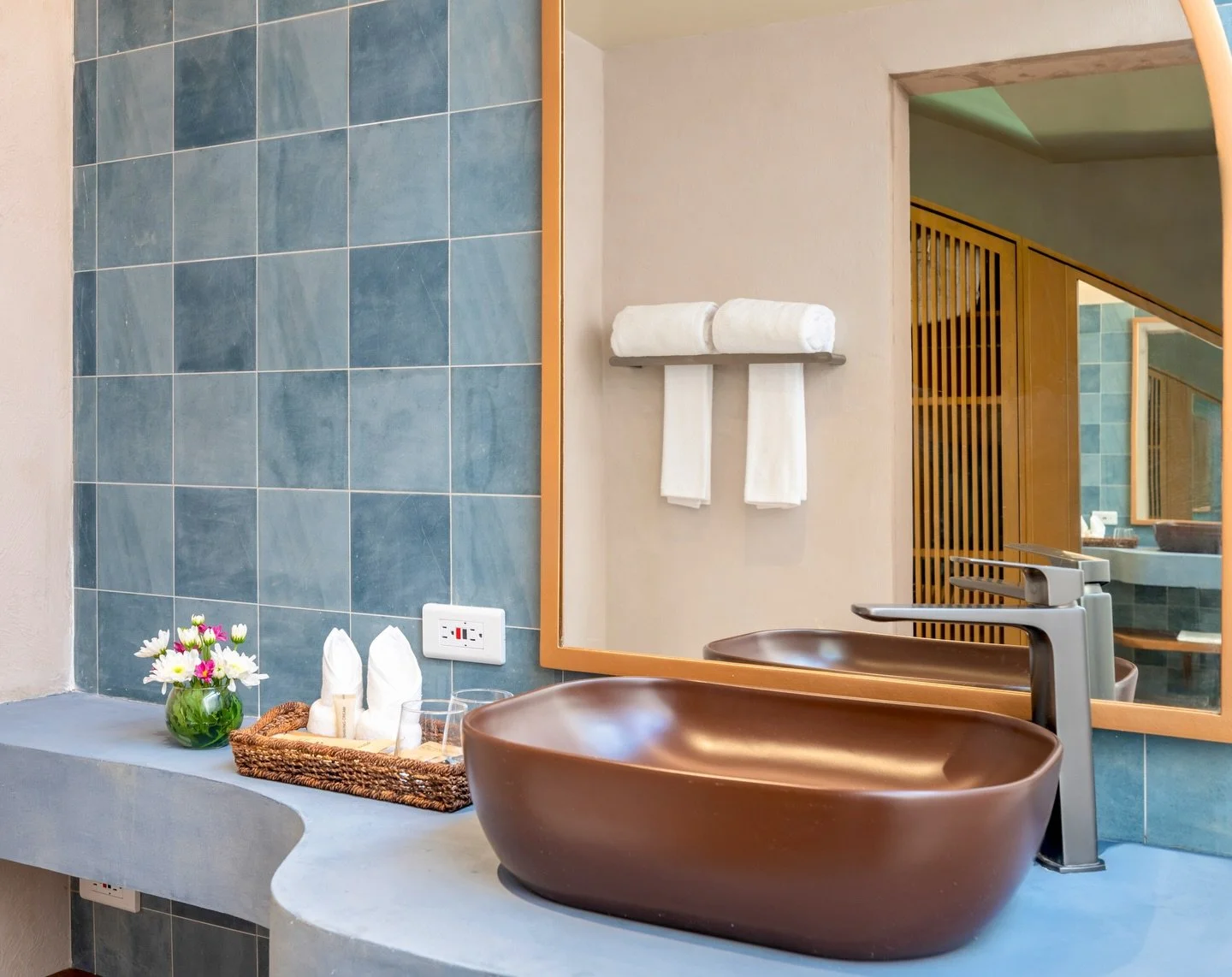
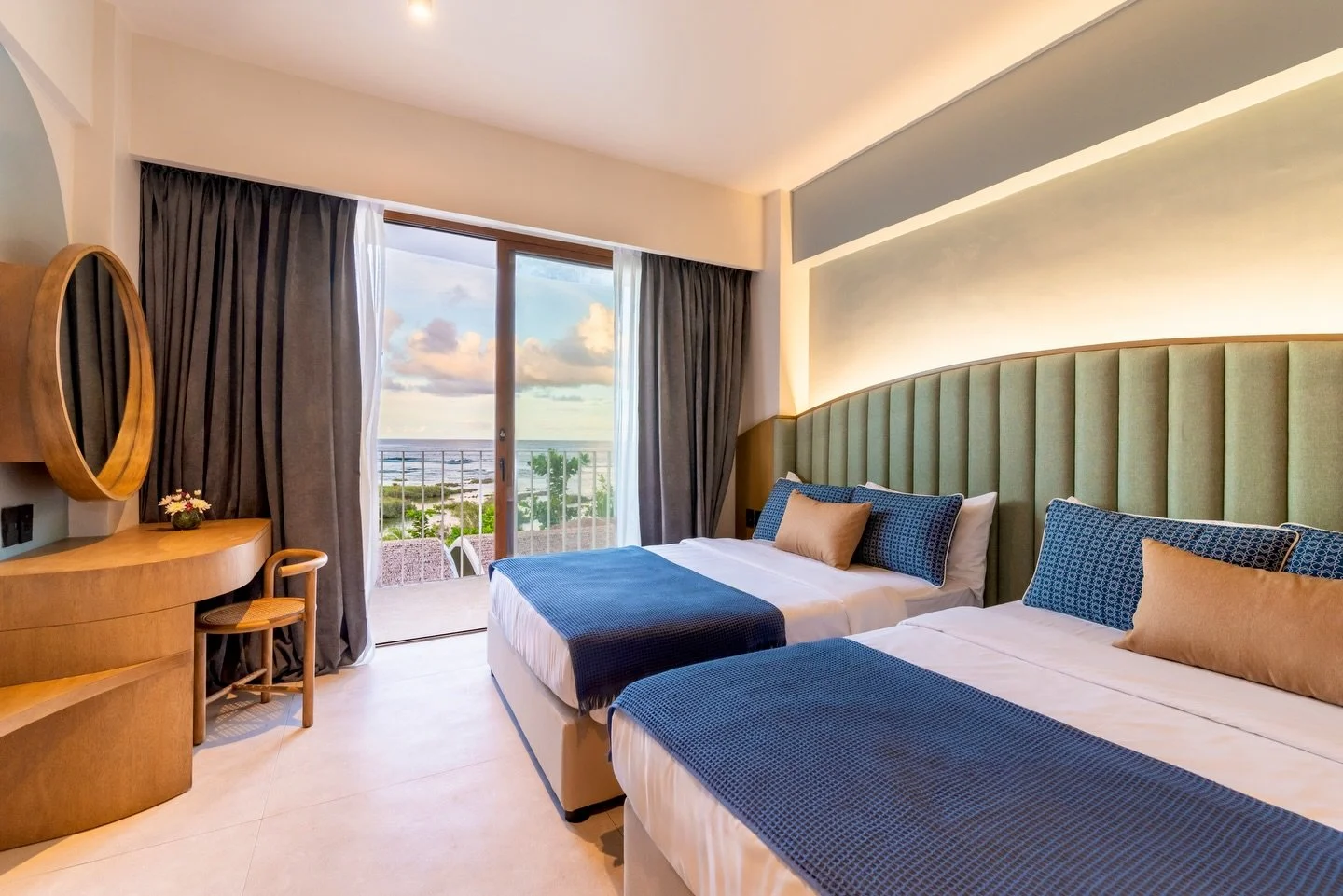
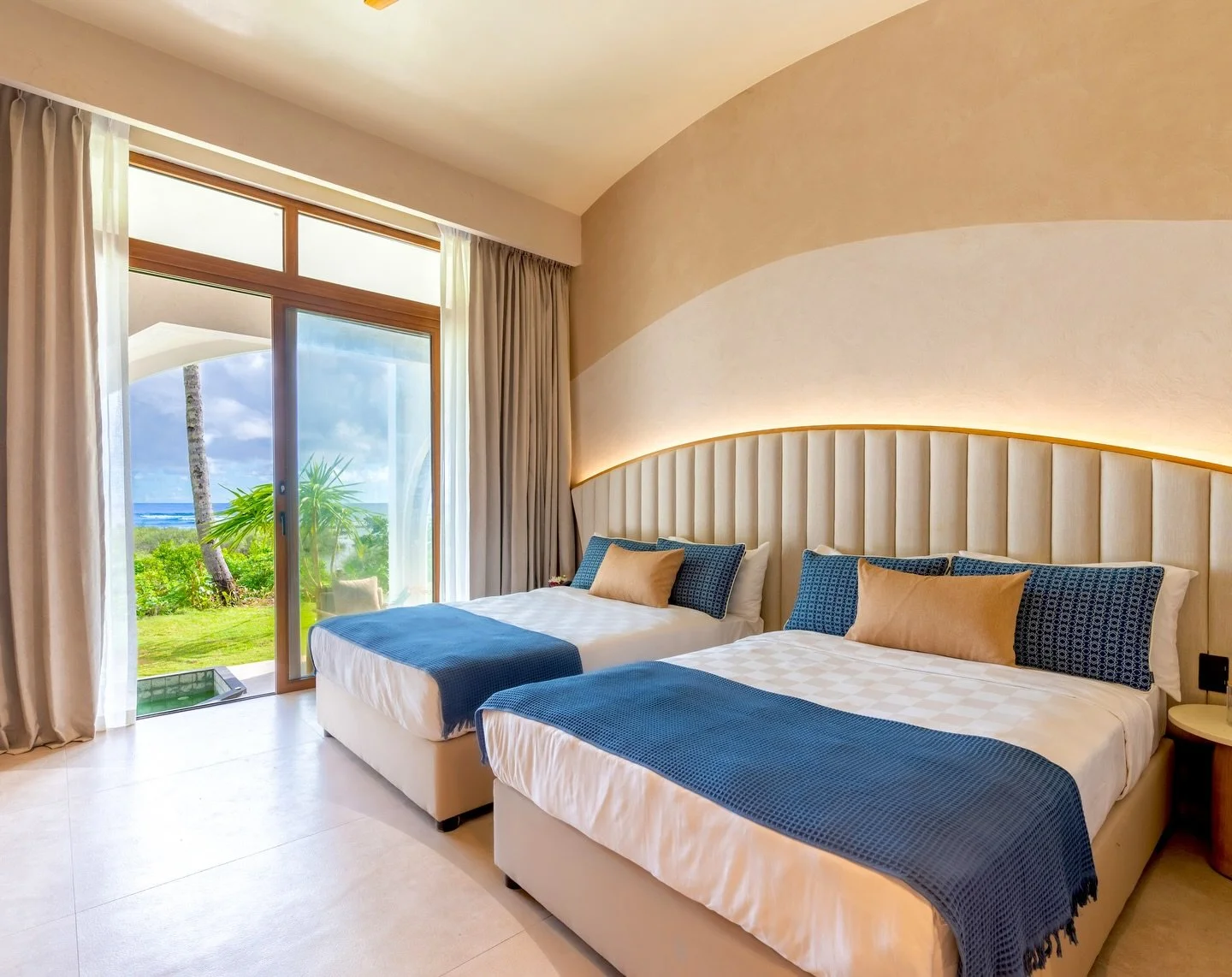
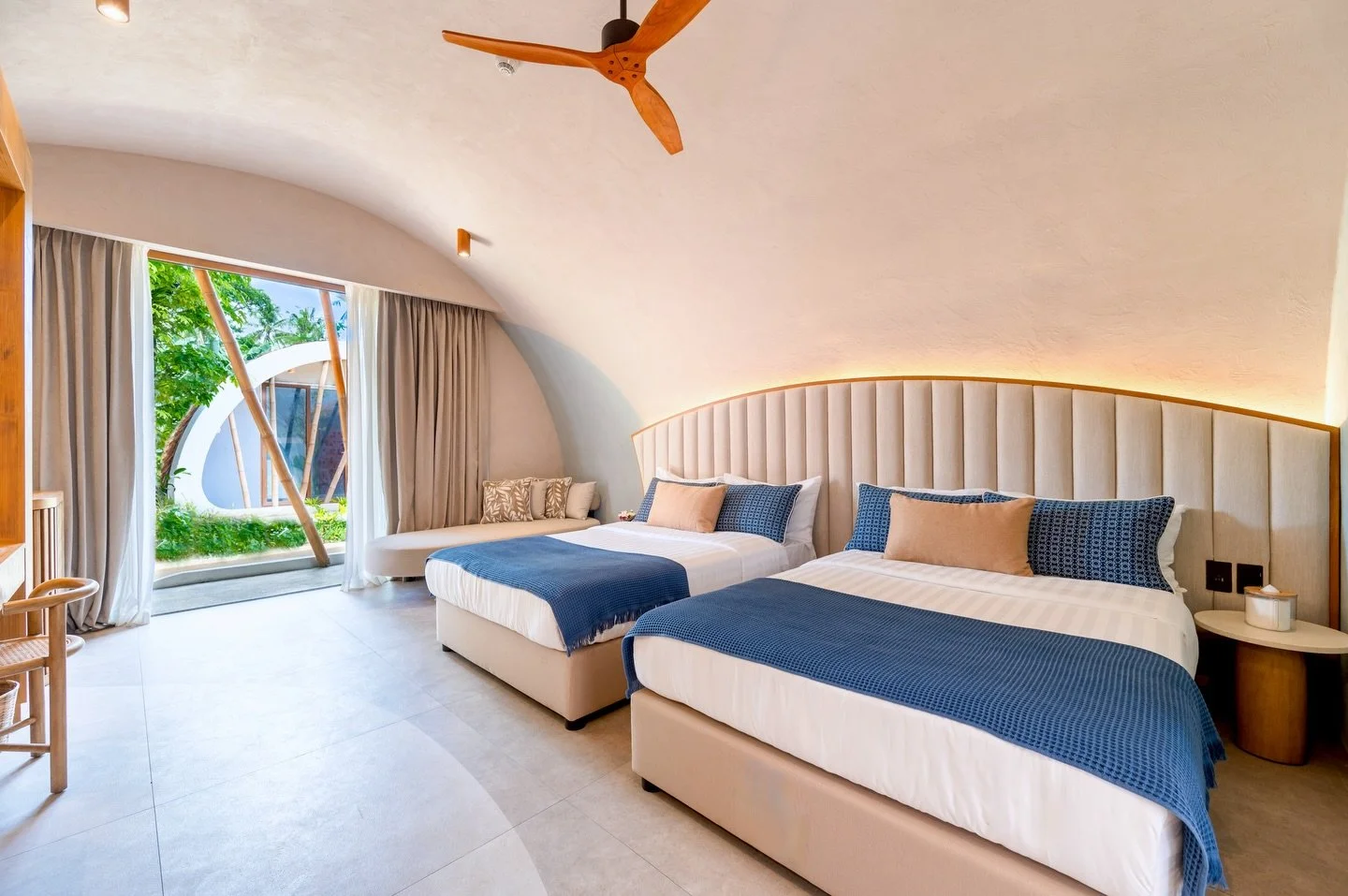
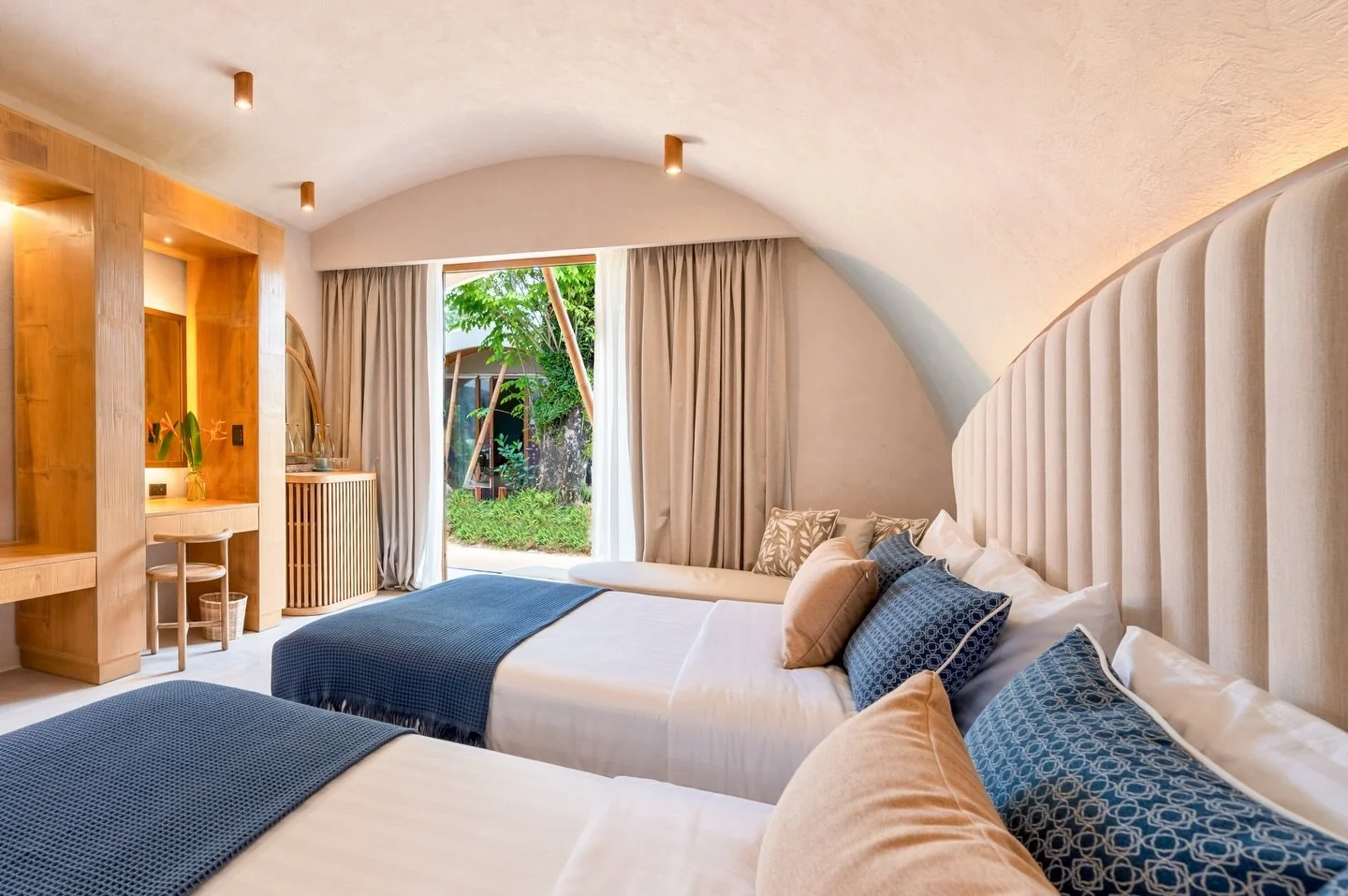
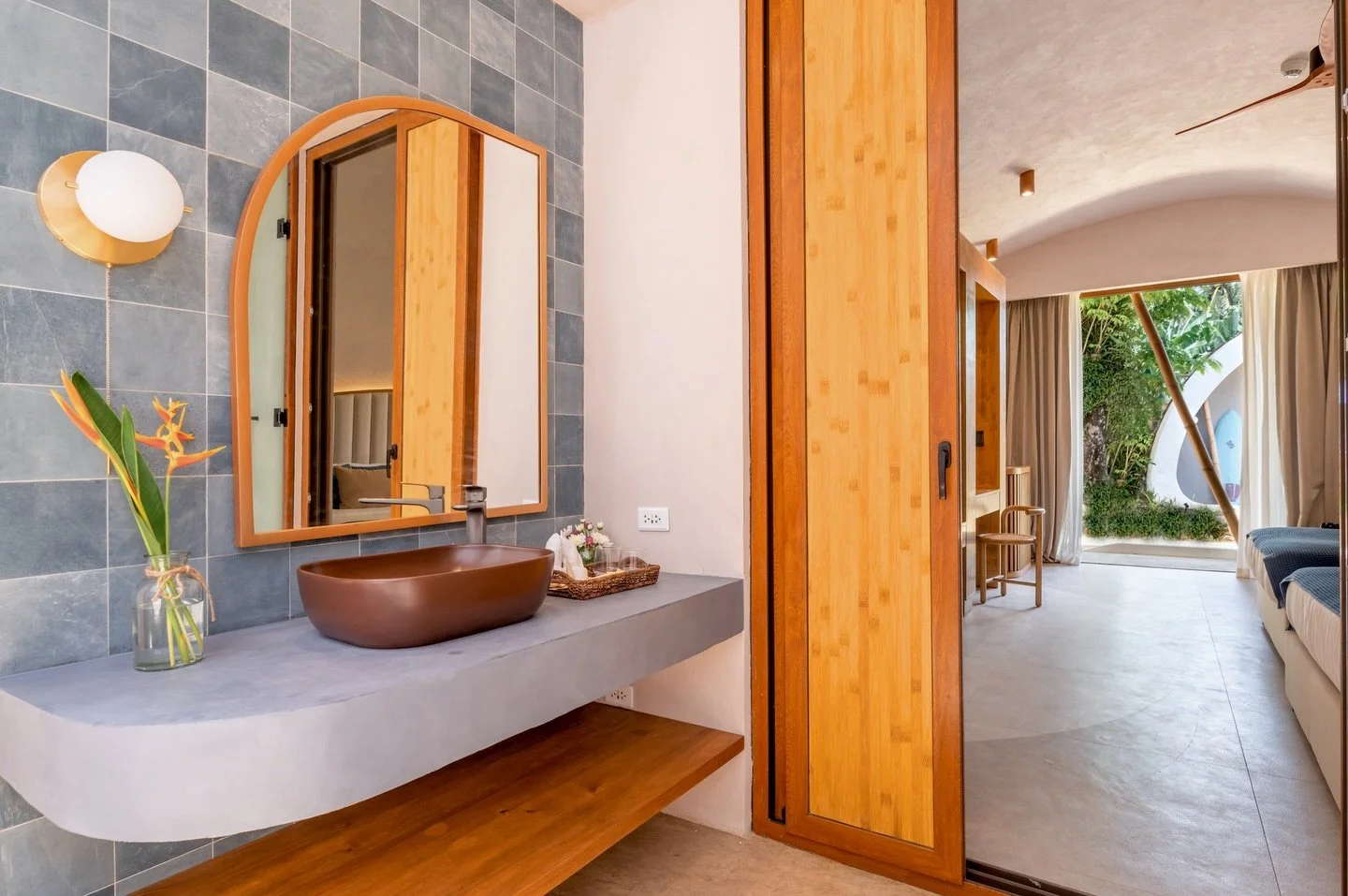
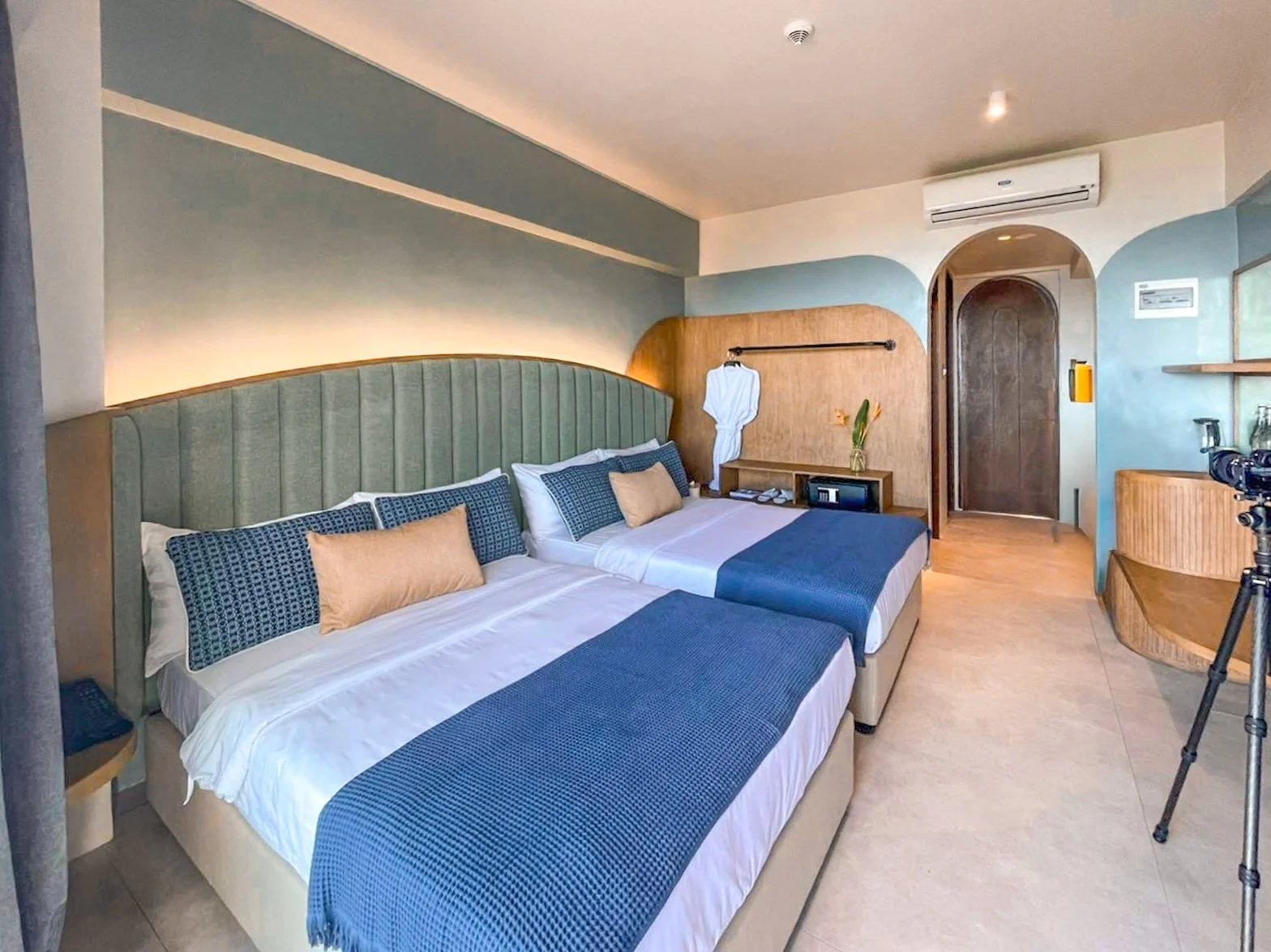
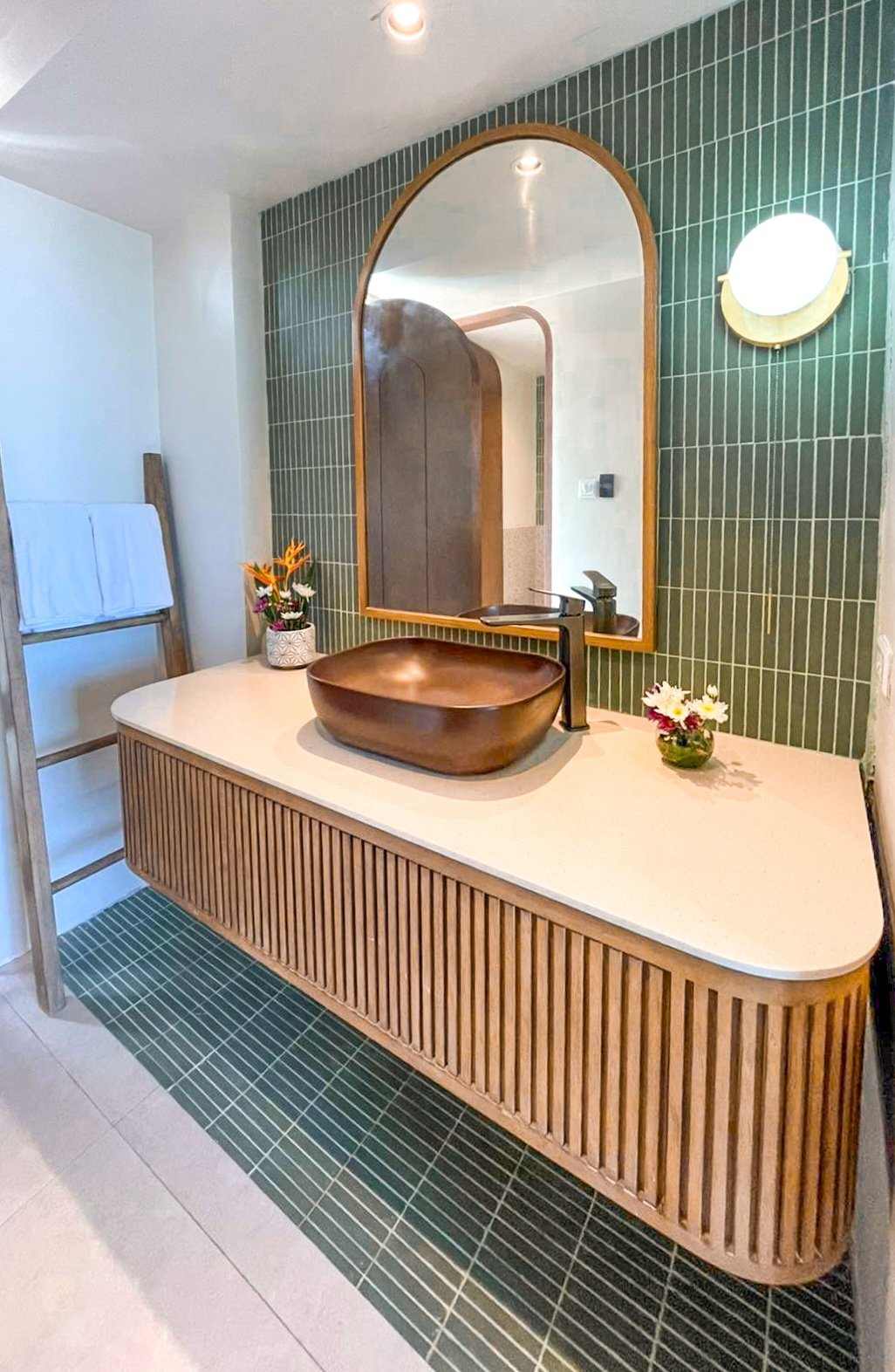
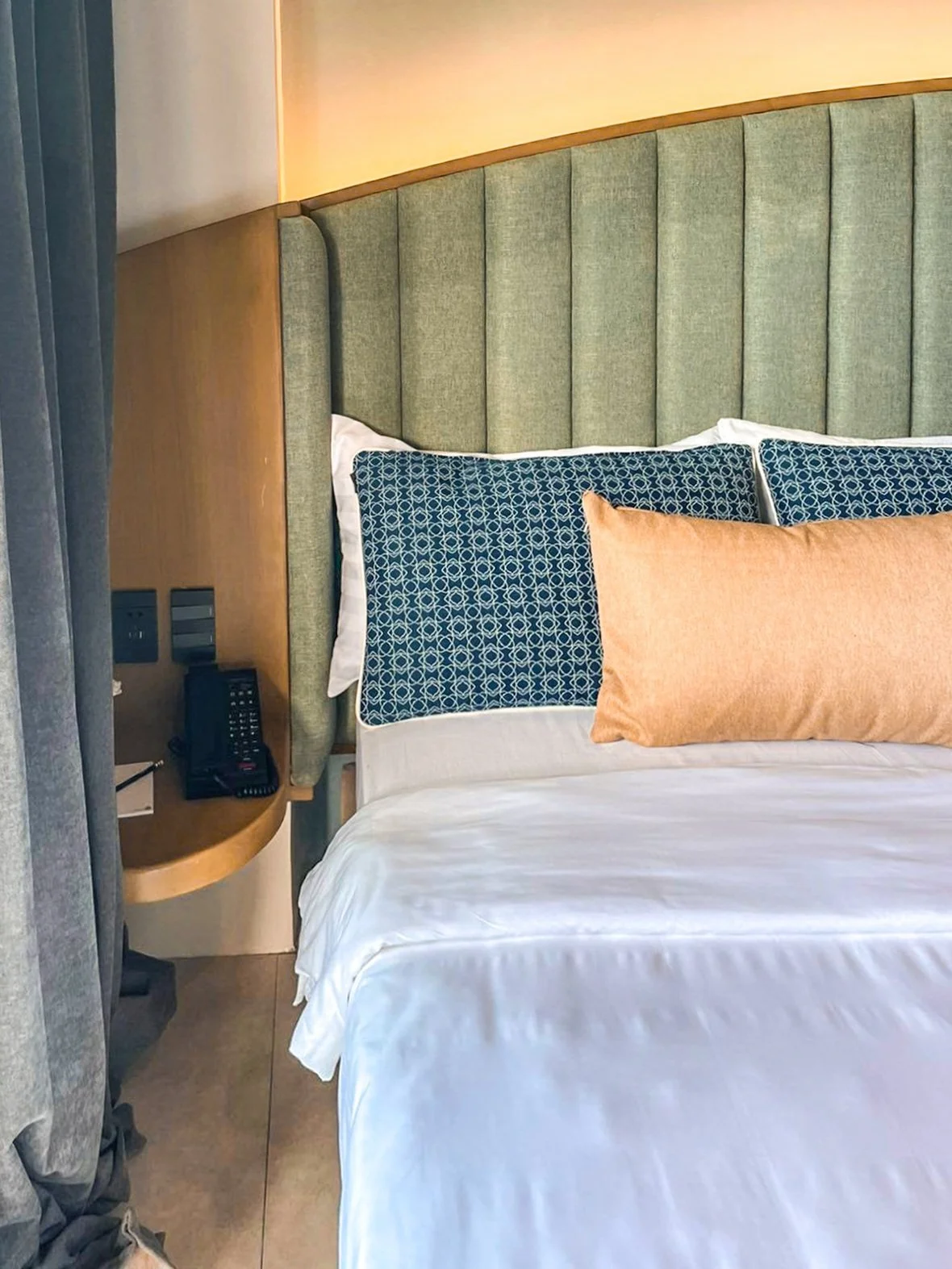
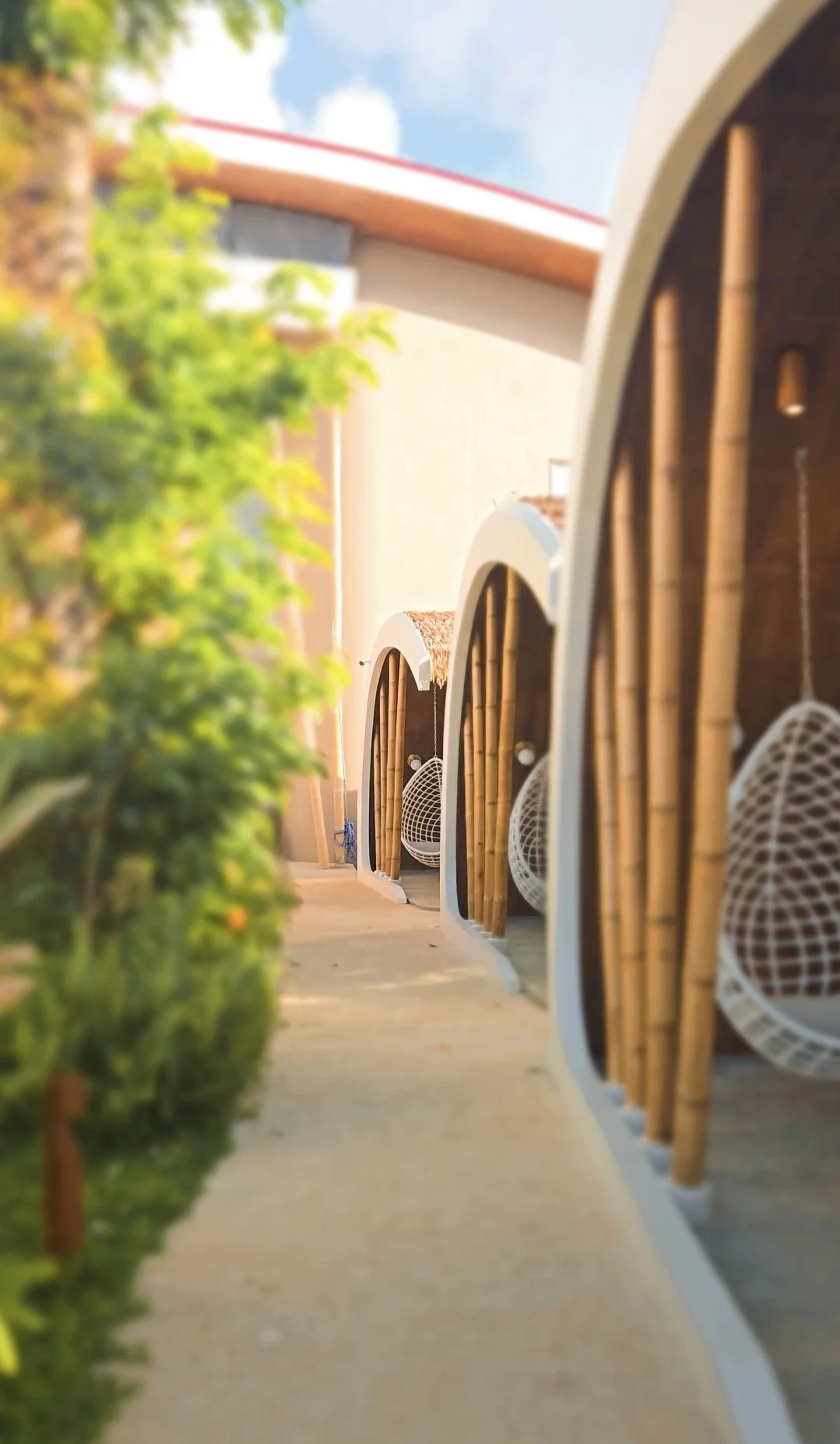
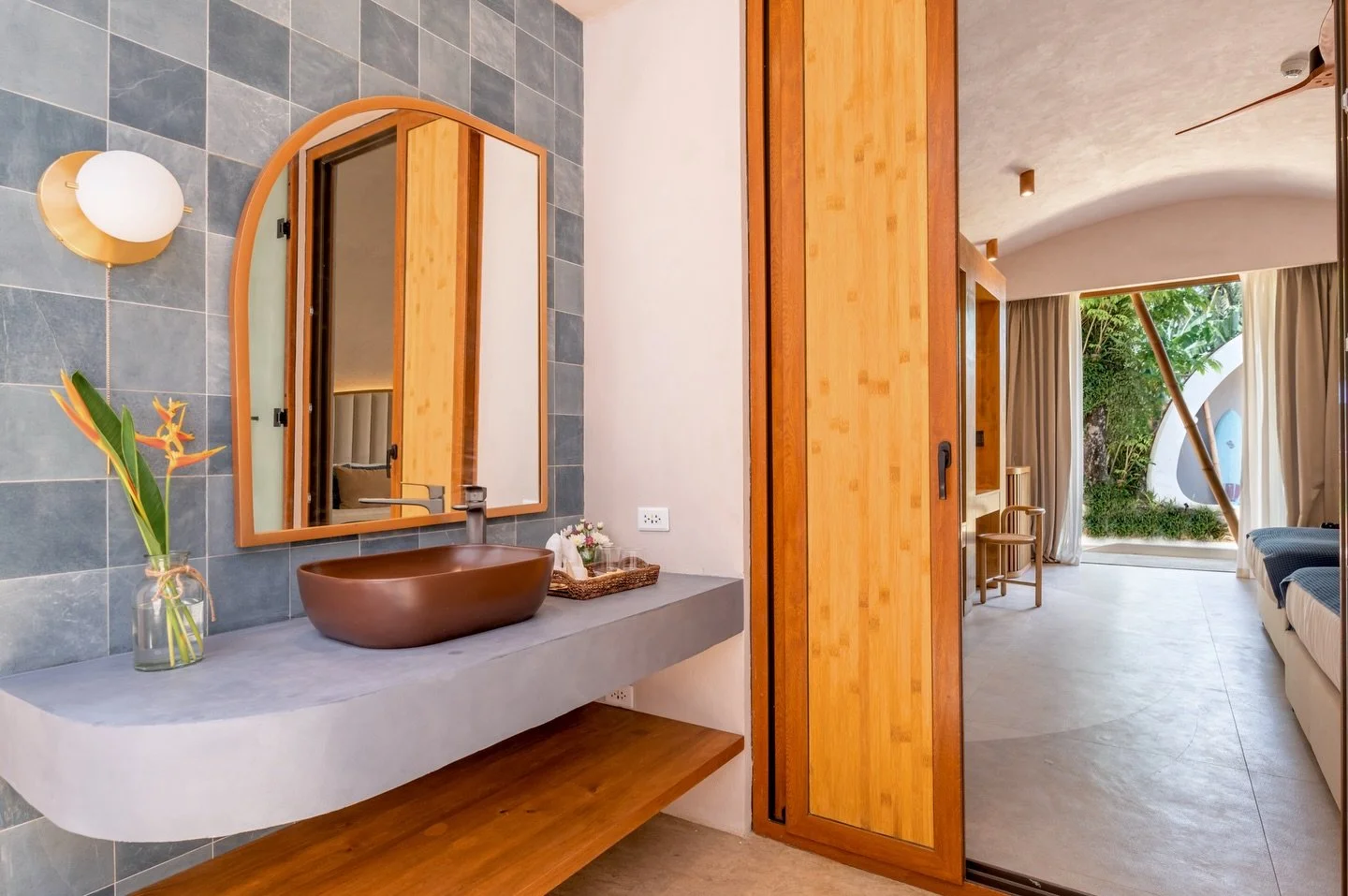
The design language continues from architecture to interiors: soft, curved, and wave-inspired. The rooms were designed as a continuation of the resort’s exterior forms, where curved elements flow inward to echo the rhythm of the ocean and create a more seamless connection between the built space and the island setting. While the interiors remain minimalist and calm, they still carry Hue’s own unique character: warm, refined, and quietly expressive.
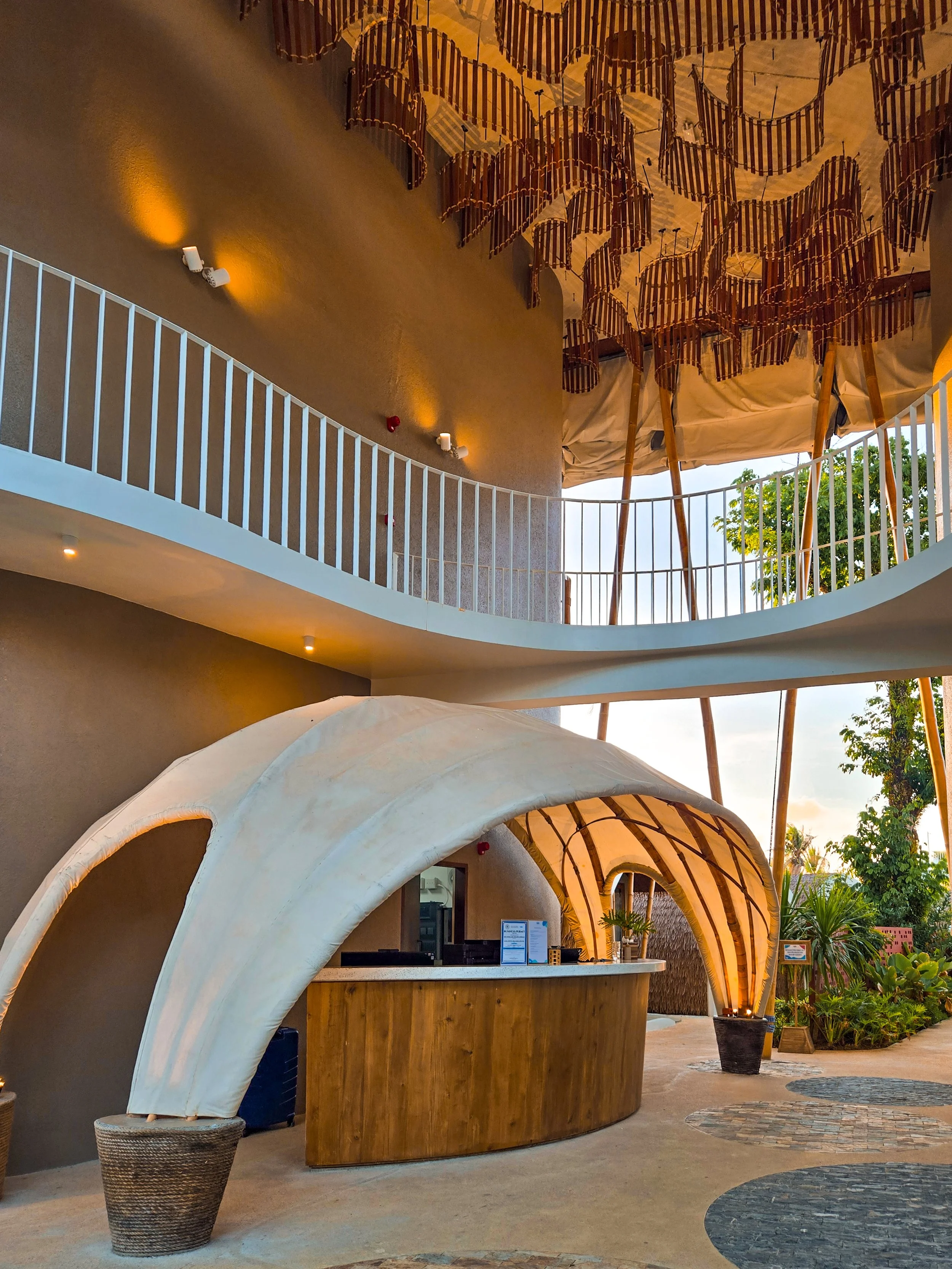
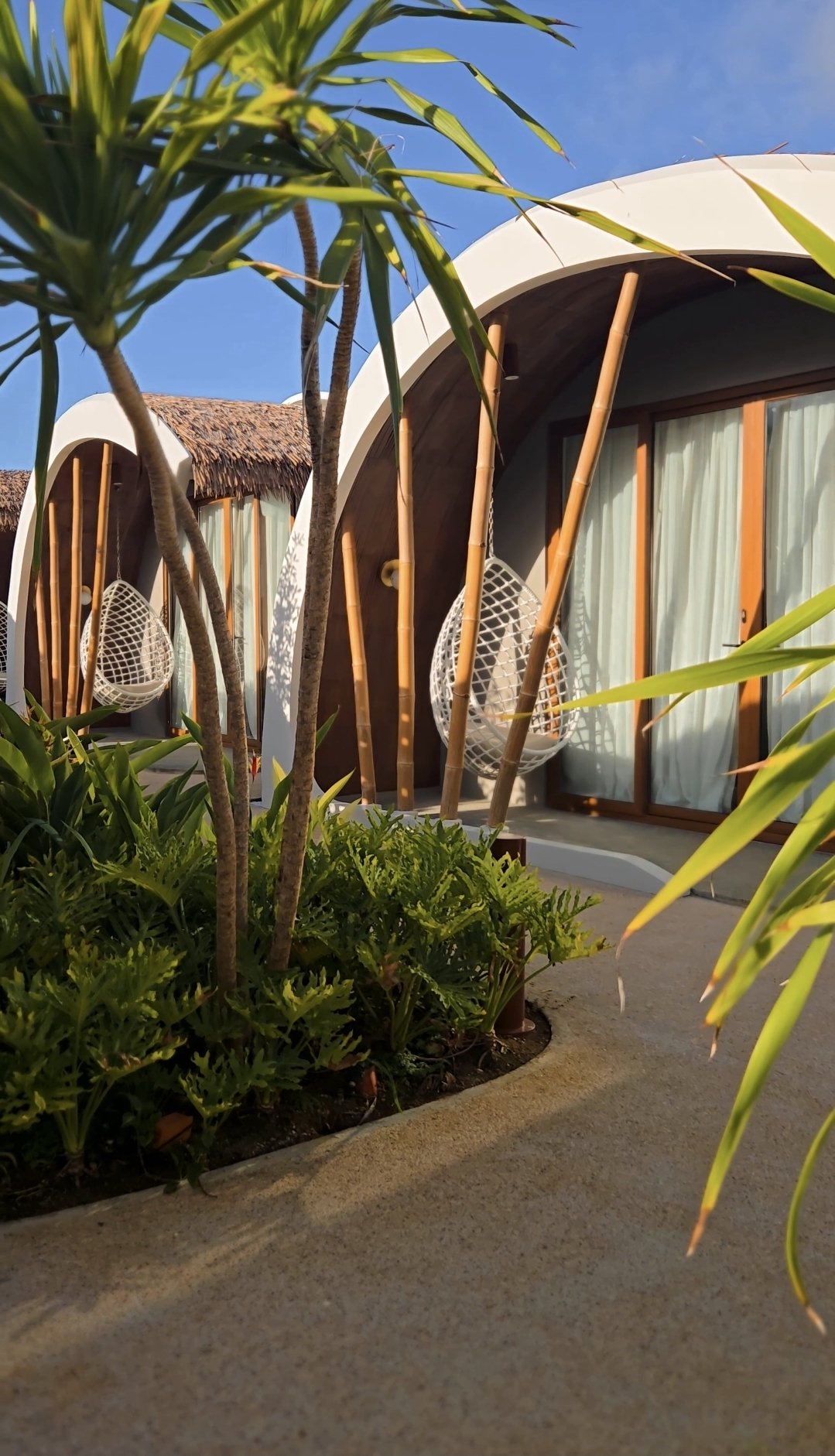
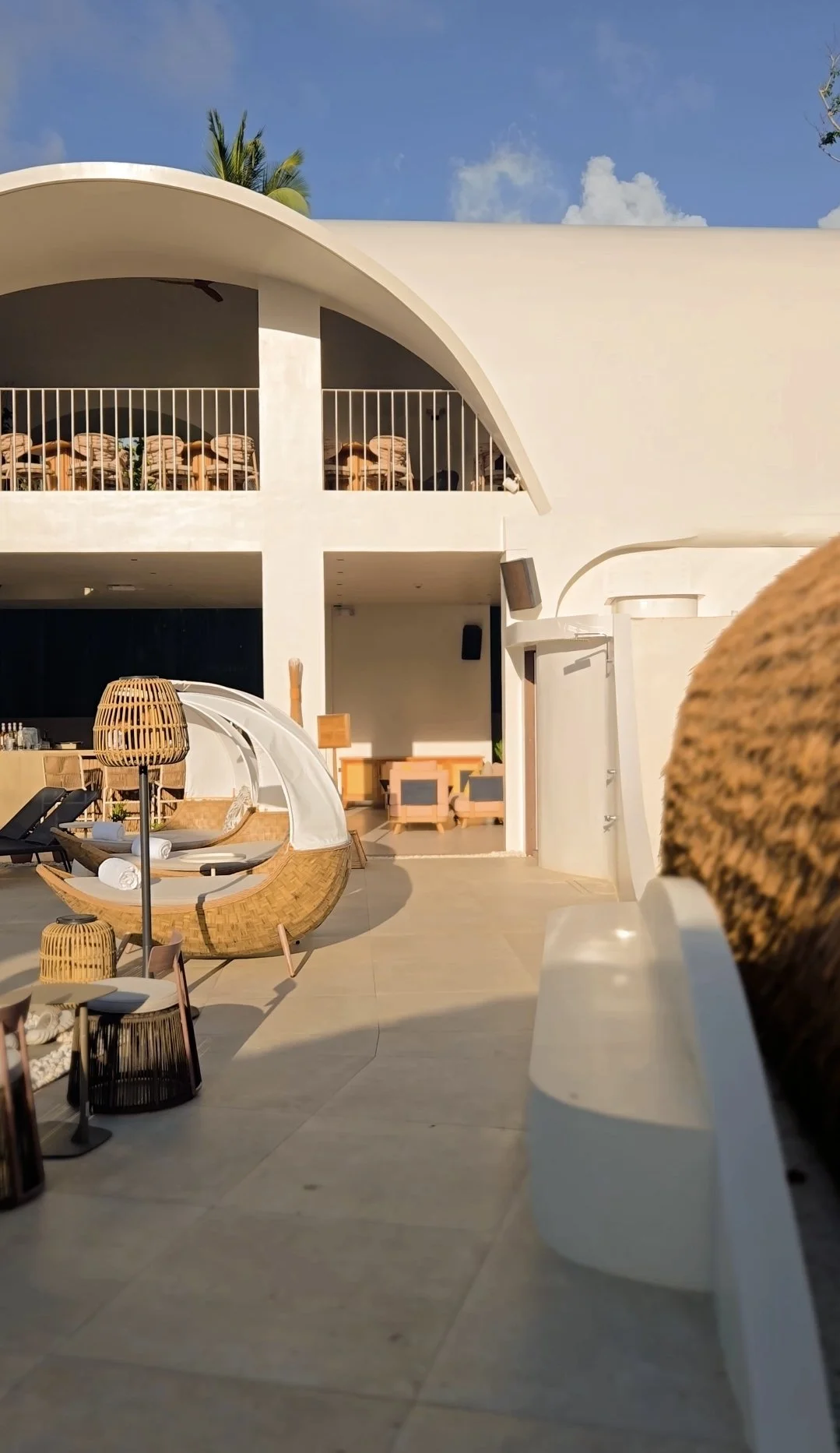
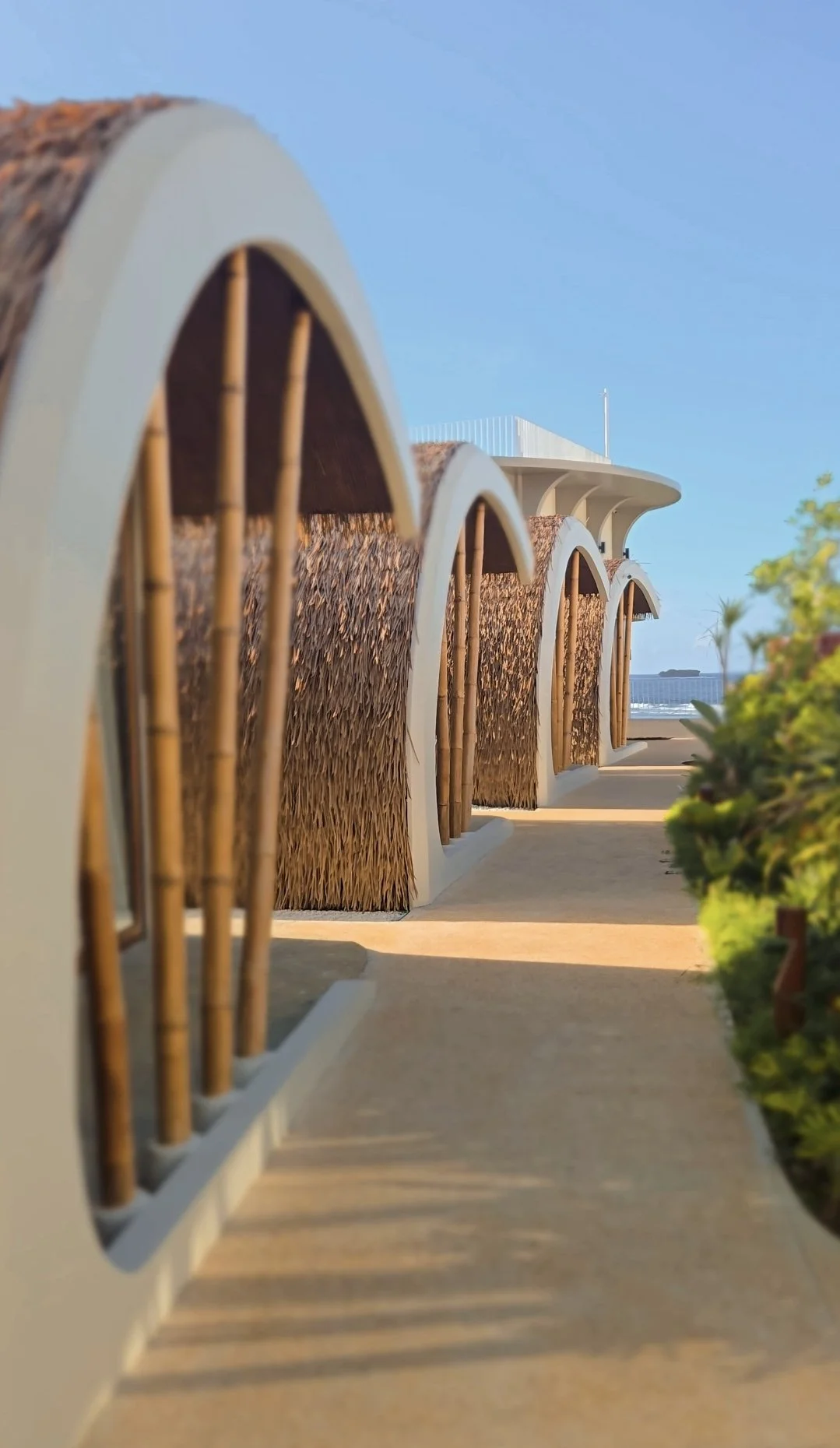
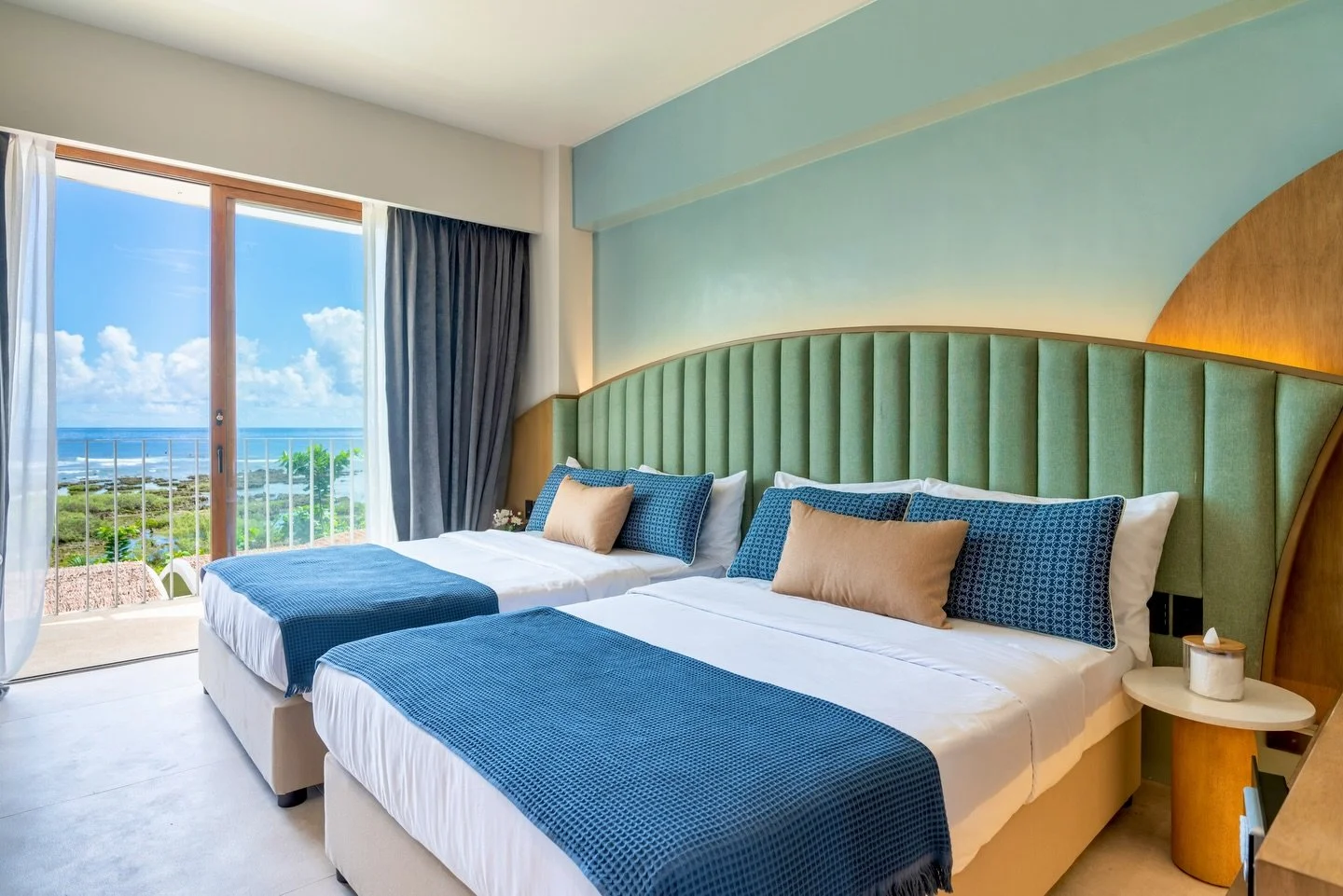
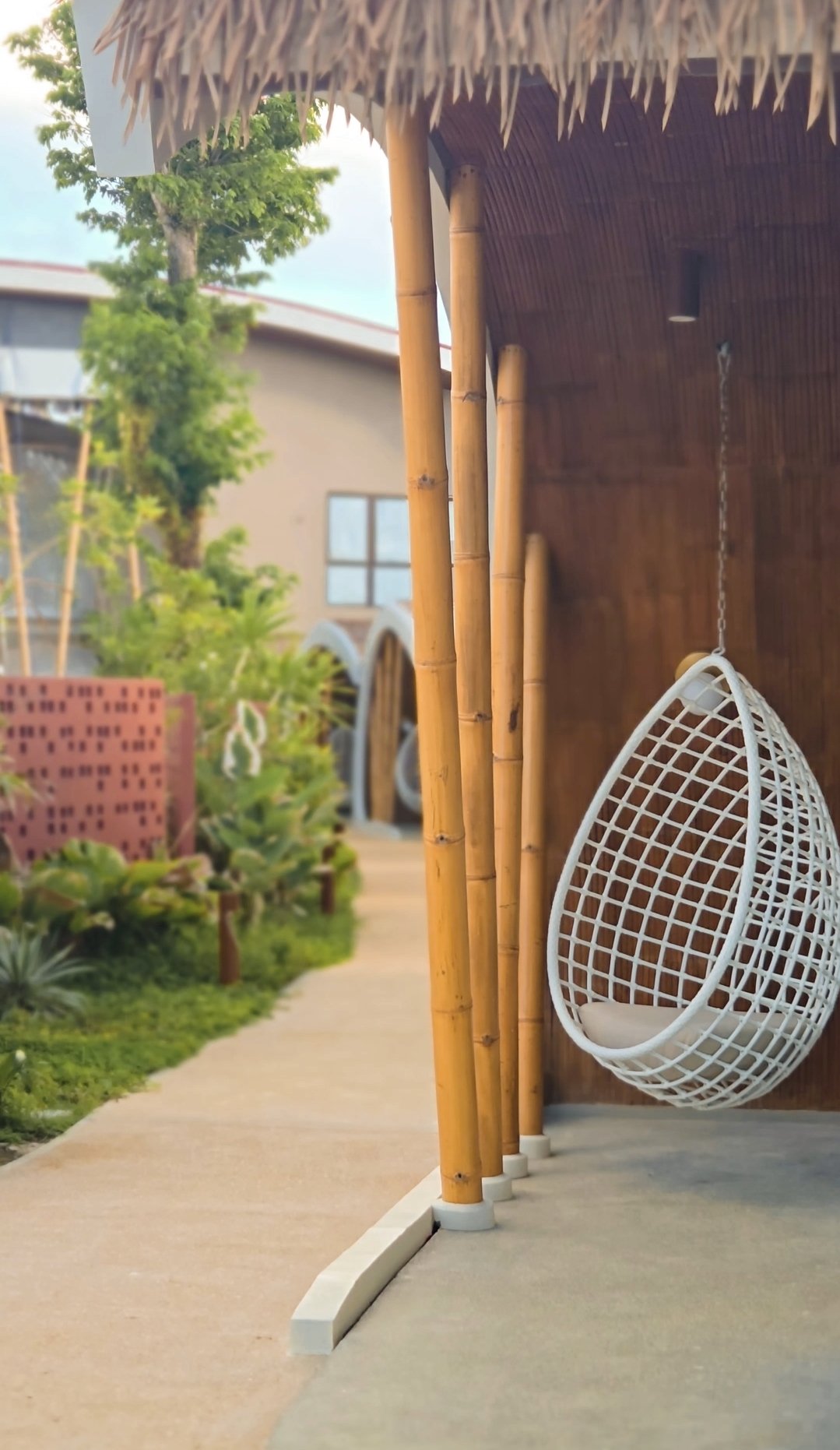
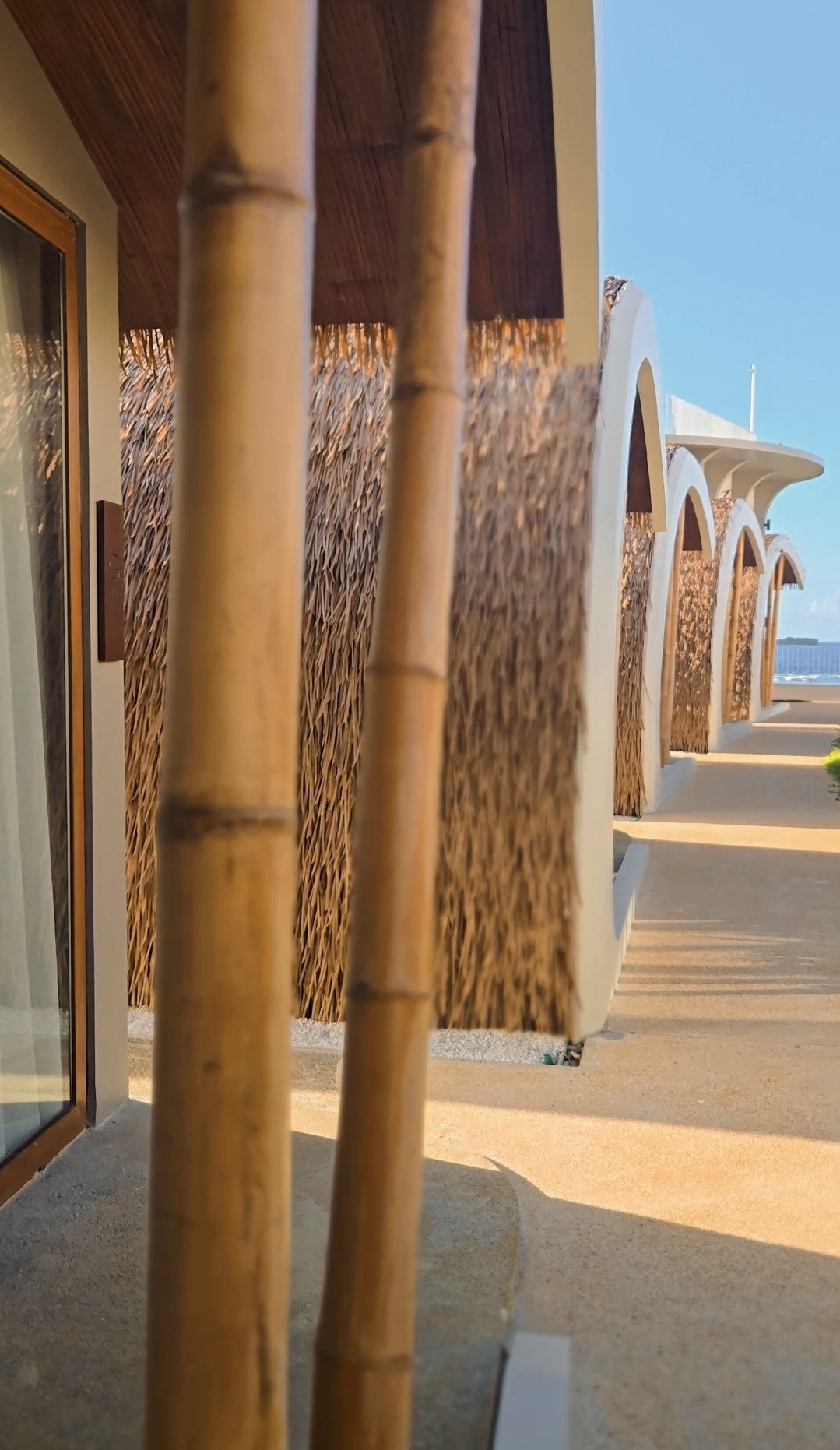
Concrete structural elements were intentionally used for durability and typhoon resilience, especially in response to Siargao’s climate, while softer natural accents such as bamboo were incorporated in protected interior applications to bring warmth, texture, and a connection to local craft. Mineral-based paints were also used to support healthier indoor air quality and a more eco-conscious interior environment.
A room designed not only for beauty, but for comfort, longevity, resilience, and calm, where every curve, material, and detail flows with the spirit of Siargao.
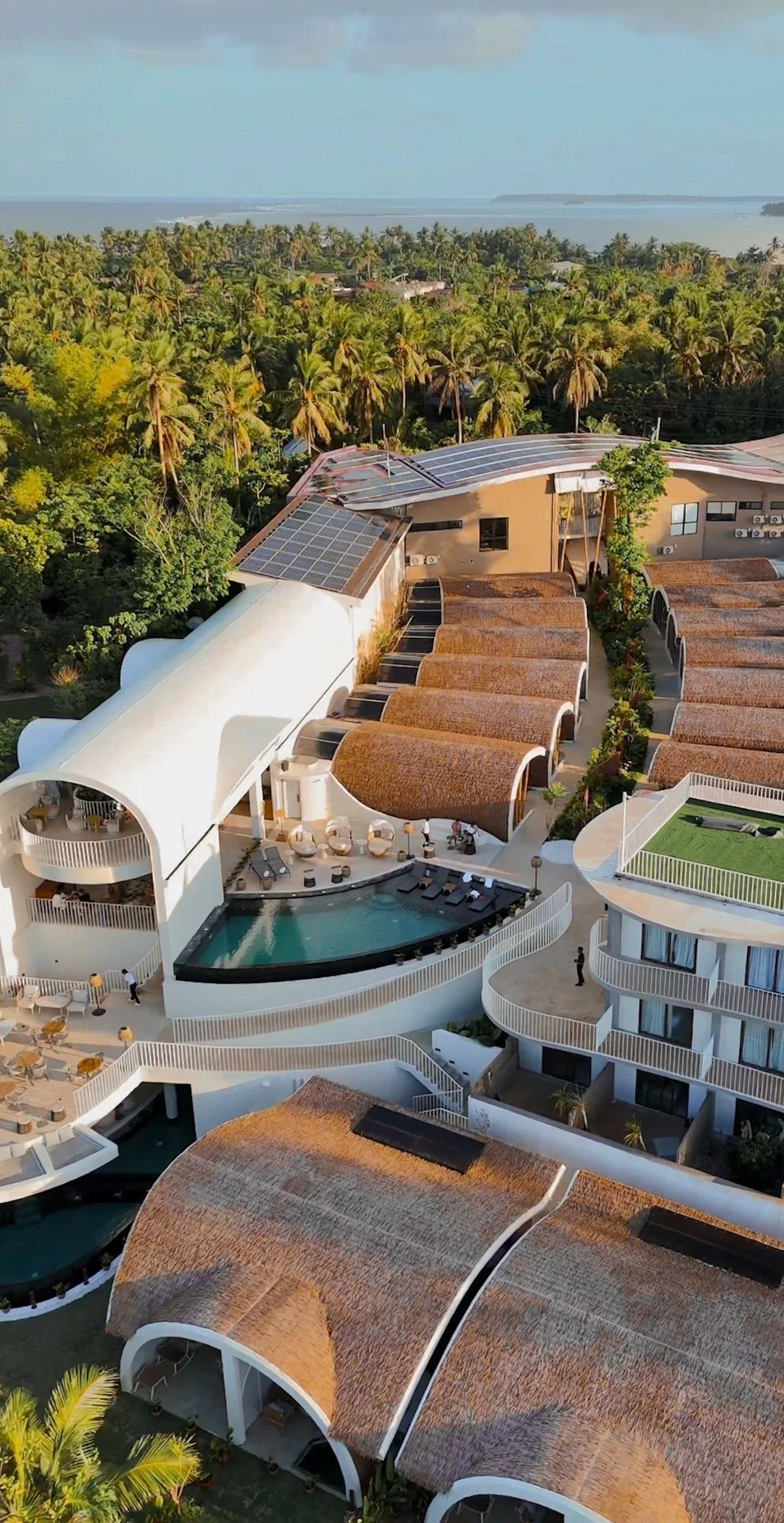
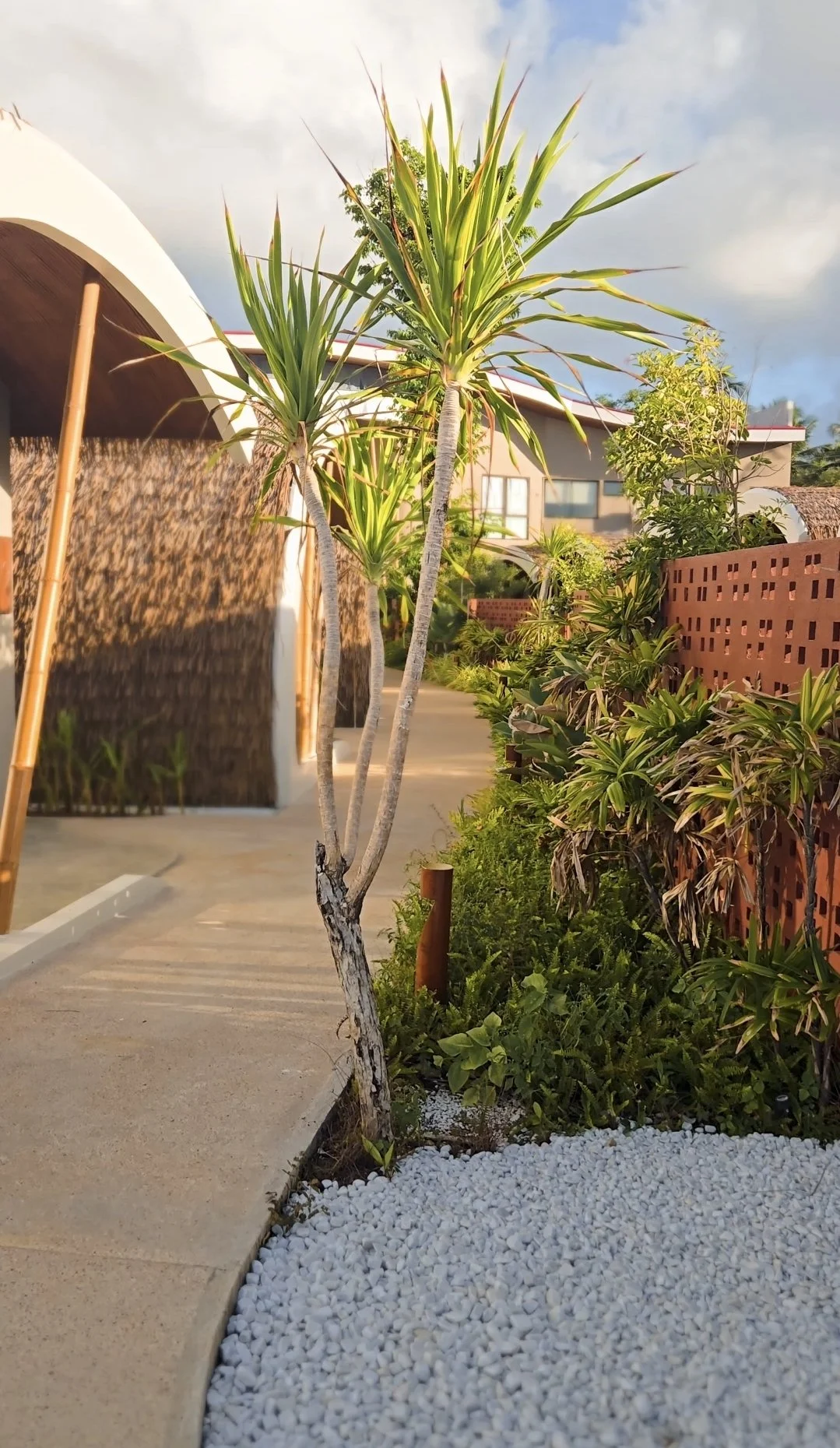
The design highlights include open and breezy tropical spaces, wave-inspired rooflines, preserved native trees, PWD-friendly pathways from the entrance to the shoreline, public beach access, natural light-filled rooms, bamboo accents crafted with local artisans, and landscaped pockets that soften the transition between architecture and nature.